
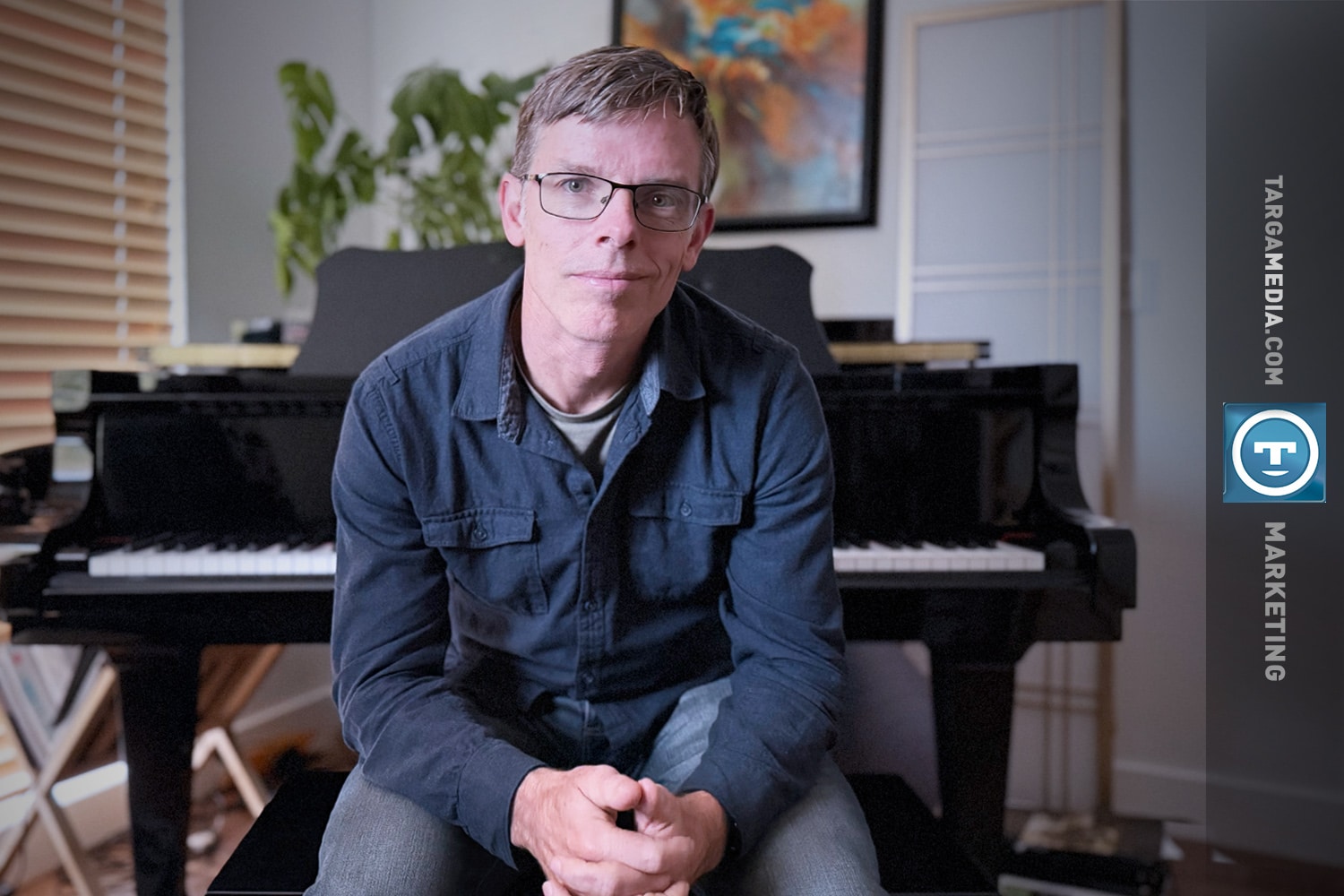

Jason Steed
Owner & CEO
My Leadership Style: Accompanist
Growing up, I trained as a concert pianist. I worked hard, practiced endlessly, and performed in state-level recitals and competitions. I’m grateful for the discipline it taught me. But truthfully I didn’t thrive as a soloist. I learned over time that I shined best as the accompanist, just outside the spotlight, helping the soloists shine on stage—and ultimately at home, at work, and everywhere in between.
I believe an accompanist does his best work when he goes unnoticed. If I begin to upstage the main characters then I become the “distraction.” I’m very comfortable in all of my roles as best supporting actor. Here’s what it means for me in marketing and leadership…
From Piano Bench to CEO Seat
I don’t need to be the soloist.
But I do want to be the one who knows the score, steadies the rhythm, and supports great ideas stepping into the spotlight.
It turns out there’s a name for this kind of leadership—one that came up in a recent audiobook I’ve been revisiting: Good to Great by Jim Collins. Jim says transformative leaders are often quiet, humble, even reluctant. They’re ambitious for the mission, not for their own acclaim.
Growing up, I trained as a concert pianist. I worked hard, practiced endlessly, and performed in state-level recitals and competitions. I’m grateful for the discipline it taught me. But truthfully I didn’t thrive as a soloist. I learned over time that I shined best as the accompanist, just outside the spotlight, helping the soloists shine on stage—and ultimately at home, at work, and everywhere in between.
I believe an accompanist does his best work when he goes unnoticed. If I begin to upstage the main characters then I become the “distraction.” I’m very comfortable in all of my roles as best supporting actor. Here’s what it means for me in marketing and leadership…

Wingmen, Sherpas, and Supporting Roles
Some of my favorite characters in fiction were seldom the protagonist. My heroes are the best supporting actors: Goose, Dr. Watson, Spock, Alfred in Batman, Baymax in Big Hero 6, and more.
They’re the ones who make it possible for the hero to win—not by stealing scenes, but by showing up fully.
Our Wingman Adventure 2024
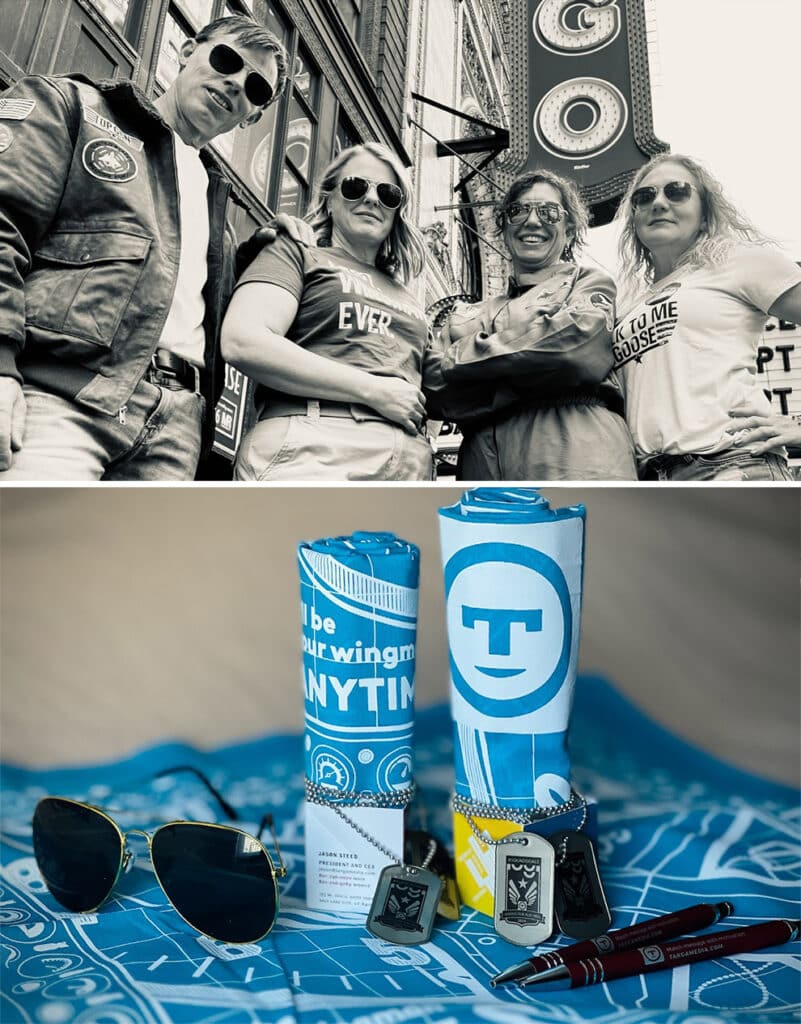
Lisa, Taleen, Heather, and I embraced the spirit of “wingmen” during our visit to a client’s annual marketing summit. We leaned into a Top Gun theme, complete with the campaign tagline, “We’ll be your wingman anytime,” as a fun way to reinforce Targa’s role as a strategic partner.
We made our Chicago 2024 tour all about our clients, recommitting to them our steady daily marketing leadership that helps them soar.
We don’t always talk about leadership this way. In most business books and conference stages, we celebrate the founder, the visionary, the disruptor. But I think there’s another kind of power in playing the “best supporting actor.” Especially in today’s creative and collaborative environments.
It’s not a lesser role. It’s a different muscle. One that values:
- Steady presence over spotlight
- Precision over noise
- Helping others be their best
“My personal measuring stick? If the team is thriving and our clients are winning—and no one’s really talking about me—I’m probably doing it right.”
The Irony (and Liberation) of Humble Leadership
There’s an irony here, of course.
I still like being seen. I like affirmation—on my terms. I like knowing my contributions matter. But what I’ve found over the years is that when I lead like an accompanist, I feel more myself. More aligned. More energized.
It’s also where I see the most growth happen on my team.
Because when people know they’re supported—not micromanaged or overshadowed—they try bolder things. They take risks. They step into their own voice. And isn’t that what leadership is meant to unlock?
Sharing the Load, and the Lead
At Targa, we talk a lot about shared leadership.
We’re a small team by design, but we carry a big creative load—and no one does it alone. Whether it’s reviewing a project, shaping a new strategy, or navigating a hard conversation with a client, my role is often to create the conditions for others to lead well.
Sometimes that looks like coaching.
Sometimes it’s holding space for someone else to shine—and resisting the urge to jump in.
My personal measuring stick? If the team is thriving and our clients are winning—and no one’s really talking about me—I’m probably doing it right.
The Irony (and Liberation) of Humble Leadership
One of the most powerful outcomes of this leadership style is the clarity it brings—not just for our team, but for our clients. Because when we approach creative work with the instinct to support rather than overshadow, we ask better questions. We listen longer. We’re invested in the main characters: the customers—letting them be the heroes in the story.It’s also where I see the most growth happen on my team.
One Final Thought
There’s a deep satisfaction I’ve found in helping the people around me shine—whether it’s Heather and our kids, the talented team at Targa, our gifted clients, or the inventive vendors and partners we collaborate with. Some of the best creative breakthroughs happen when we get out of our own way and make space for others to rise. That’s when ideas take flight—and when leadership feels most meaningful to me.