
When Outside Help Fits Just Right

When Outside Help Fits Just Right

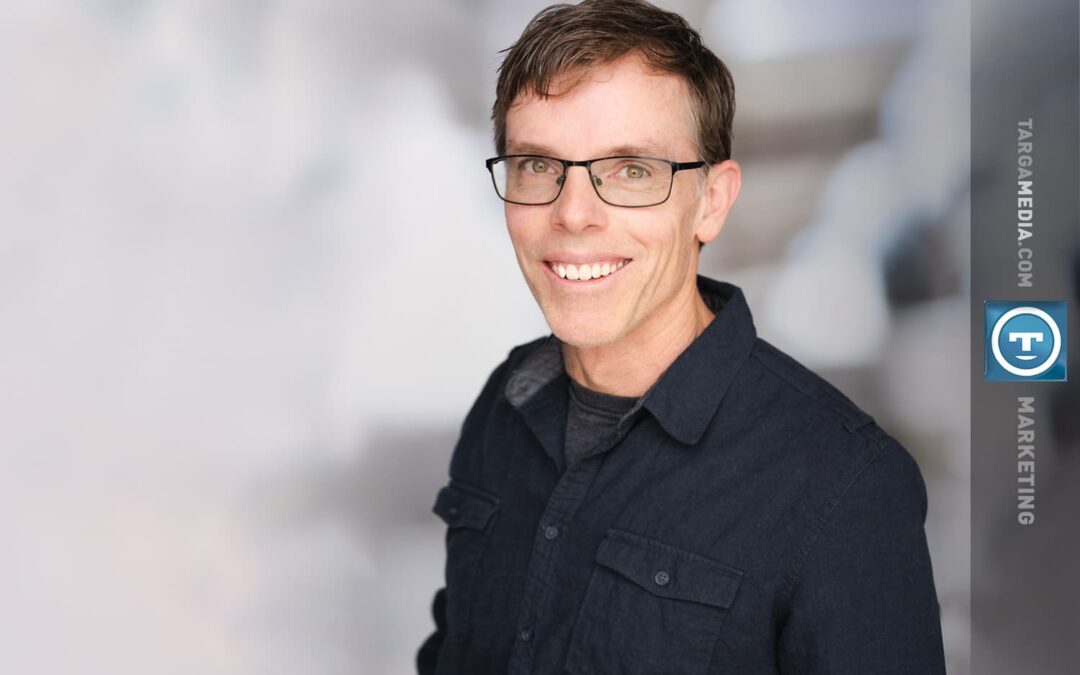
Jason Steed President and CEO at Targa Media

Jason Steed

Owner & CEO

When Outside Help Fits Just Right

I’ve been talking quite a bit this year with marketing VPs and sales directors. I’m discovering very common pain points and frustrations. Marketing teams that are struggling are blaming the overwhelm of too many priorities at once.

In the simplest terms, here’s what I’m hearing: Campaigns need to launch. Sales teams need support. Events need assets. Leadership wants visibility into performance. Content calendars never stop moving. And somewhere in the middle of all that, strategic thinking starts getting squeezed out by sheer volume.

That’s often the point where companies start looking for outside support. Not due to lack of smart automations or incapable internal teams, rather because marketing in 2026 has become too broad, too specialized, and too fast-moving for most teams to handle entirely on their own.

The question isn’t really whether to bring in outside help. It’s finding the right fit.


Not too small. Not too big. Just right.

A freelancer or boutique shop gives you specialized capability, but limited bandwidth and capacity that’s conditional on their current workload.

A large ad agency gives you scale, but also layers. Account managers, multi-department processes, retainers, and a pace that doesn’t always match yours.

My team sits intentionally in between. Targa is a middle-tier group of creatives and project managers—nimble and accessible, but capable of scaling to the work. Our clients crave the transparent communication, agile turnaround, and direct access to the people actually doing the creative work. It’s a promising space, and I’m grateful that our partners allow us to sit with them at the table.

We know our skills, we know our limits, and we’re honest about both. Furthermore, I make it a point to share with marketing leaders what Targa is NOT very good at: mass media, PR, and buying lead lists. But we’re happy to point our partners to the right people.


The Real Problem Isn’t Usually Talent

Most internal marketing teams are filled with smart, experienced people. The challenge is bandwidth.

As companies grow, marketing responsibilities multiply faster than headcount. Teams that once handled a manageable scope suddenly find themselves supporting product launches, paid campaigns, events, sales enablement, social media, email marketing, web updates, reporting, and brand management all at once.

When that happens, something has to give. Usually it’s the deeper strategic work.

Creative ideas become rushed. Execution becomes reactive. Messaging gets inconsistent. Teams default to “good enough” simply because there isn’t time to refine or rethink.

Over time, marketing starts feeling fragmented instead of intentional.

That’s where the right external partner can create real value—not by replacing the internal team, but by strengthening it.

Why Businesses Need More Than an Agency: They Need a Marketing Partner

A lot of agencies position themselves as creative experts. Others focus heavily on performance metrics or technical execution.

But for most businesses, the bigger need is operational support combined with a measure of strategic thinking. They need someone who can step in quickly, understand the business context, collaborate effectively, and help move work forward without creating additional complexity.


Have you sensed a panic-button groundswell?

How do we communicate with clarity when our survival instincts kick in? How do we pay attention to the “right things?” We’re all in the middle of our “what in the world!?” stories, both professionally and personally. We all feel it stretching us thin.

As creatives, our collective passion for storytelling feels more encumbered and heavy. There’s a new urgency from our clients to help their teams regain momentum and maintain clarity.

In those rare moments of quiet recalibration, my goals are still squarely in front of me: Help marketing teams tell their authentic story by reducing the clutter. Not louder marketing, but rather marketing, uncomplicated.

Why Collaboration Matters More Than Control

One of the biggest frustrations companies have with traditional agencies is the feeling of losing visibility once a project begins.

Ideas disappear into presentations. Feedback loops become slow. Communication becomes filtered through account layers. And eventually, the relationship starts to feel transactional rather than collaborative.

I intentionally built Targa differently.

Targa’s clients stay involved throughout the process, from early concepts and rough sketches to final execution. Not because we need constant approvals, but because the best marketing work usually emerges in the collaboration.

Internal teams know the business. They understand customers, sales realities, internal politics, and market pressures in ways no outside partner fully can. A good outside partner brings strategic thinking, creative execution, and marketing expertise into that environment.

Communication becomes faster. Feedback becomes clearer. Teams stay aligned. And the final work tends to feel more authentic because it’s built together rather than handed off.

Would we be a good fit?
 
We pride ourselves in knowing our skills and our limits. If we’re a good fit, we’ll help you with your storytelling. We’re an extra set of hands, showing up when it’s all hands on deck. Let’s connect and find out →

My Leadership Style: Accompanist

My Leadership Style: Accompanist

Jason Steed President and CEO at Targa Media

Jason Steed

Owner & CEO

My Leadership Style: Accompanist

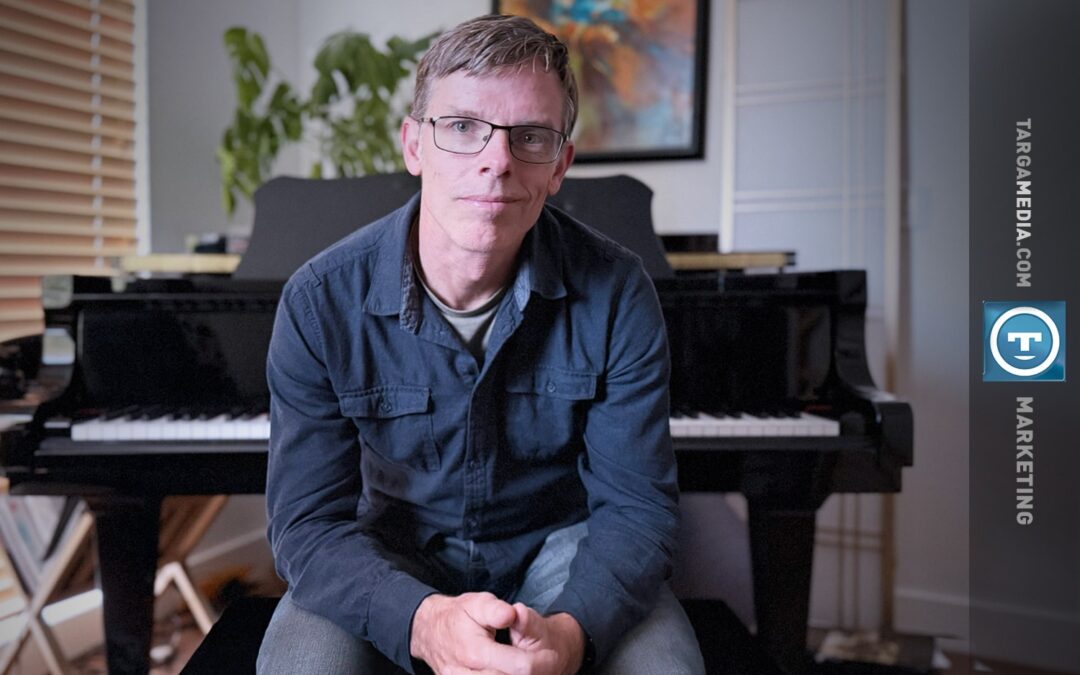
Growing up, I trained as a concert pianist. I worked hard, practiced endlessly, and performed in state-level recitals and competitions. I’m grateful for the discipline it taught me. But truthfully I didn’t thrive as a soloist. I learned over time that I shined best as the accompanist, just outside the spotlight, helping the soloists shine on stage—and ultimately at home, at work, and everywhere in between.

I believe an accompanist does his best work when he goes unnoticed. If I begin to upstage the main characters then I become the “distraction.” I’m very comfortable in all of my roles as best supporting actor. Here’s what it means for me in marketing and leadership…


From Piano Bench to CEO Seat

I don’t need to be the soloist.

But I do want to be the one who knows the score, steadies the rhythm, and supports great ideas stepping into the spotlight.

It turns out there’s a name for this kind of leadership—one that came up in a recent audiobook I’ve been revisiting: Good to Great by Jim Collins. Jim says transformative leaders are often quiet, humble, even reluctant. They’re ambitious for the mission, not for their own acclaim.

Growing up, I trained as a concert pianist. I worked hard, practiced endlessly, and performed in state-level recitals and competitions. I’m grateful for the discipline it taught me. But truthfully I didn’t thrive as a soloist. I learned over time that I shined best as the accompanist, just outside the spotlight, helping the soloists shine on stage—and ultimately at home, at work, and everywhere in between.

I believe an accompanist does his best work when he goes unnoticed. If I begin to upstage the main characters then I become the “distraction.” I’m very comfortable in all of my roles as best supporting actor. Here’s what it means for me in marketing and leadership…

Wingmen, Sherpas, and Supporting Roles

Some of my favorite characters in fiction were seldom the protagonist. My heroes are the best supporting actors: Goose, Dr. Watson, Spock, Alfred in Batman, Baymax in Big Hero 6, and more.

They’re the ones who make it possible for the hero to win—not by stealing scenes, but by showing up fully.

Our Wingman Adventure 2024

Lisa, Taleen, Heather, and I embraced the spirit of “wingmen” during our visit to a client’s annual marketing summit. We leaned into a Top Gun theme, complete with the campaign tagline, “We’ll be your wingman anytime,” as a fun way to reinforce Targa’s role as a strategic partner.

We made our Chicago 2024 tour all about our clients, recommitting to them our steady daily marketing leadership that helps them soar.

"Targa

We don’t always talk about leadership this way. In most business books and conference stages, we celebrate the founder, the visionary, the disruptor. But I think there’s another kind of power in playing the “best supporting actor.” Especially in today’s creative and collaborative environments.

It’s not a lesser role. It’s a different muscle. One that values:

  • Steady presence over spotlight
  • Precision over noise
  • Helping others be their best
“My personal measuring stick? If the team is thriving and our clients are winning—and no one’s really talking about me—I’m probably doing it right.”

The Irony (and Liberation) of Humble Leadership

There’s an irony here, of course.

I still like being seen. I like affirmation—on my terms. I like knowing my contributions matter. But what I’ve found over the years is that when I lead like an accompanist, I feel more myself. More aligned. More energized.
It’s also where I see the most growth happen on my team.

Because when people know they’re supported—not micromanaged or overshadowed—they try bolder things. They take risks. They step into their own voice. And isn’t that what leadership is meant to unlock?


Sharing the Load, and the Lead

At Targa, we talk a lot about shared leadership.

We’re a small team by design, but we carry a big creative load—and no one does it alone. Whether it’s reviewing a project, shaping a new strategy, or navigating a hard conversation with a client, my role is often to create the conditions for others to lead well.

Sometimes that looks like coaching.

Sometimes it’s holding space for someone else to shine—and resisting the urge to jump in.

My personal measuring stick? If the team is thriving and our clients are winning—and no one’s really talking about me—I’m probably doing it right.


The Irony (and Liberation) of Humble Leadership

One of the most powerful outcomes of this leadership style is the clarity it brings—not just for our team, but for our clients. Because when we approach creative work with the instinct to support rather than overshadow, we ask better questions. We listen longer. We’re invested in the main characters: the customers—letting them be the heroes in the story.It’s also where I see the most growth happen on my team.

One Final Thought

There’s a deep satisfaction I’ve found in helping the people around me shine—whether it’s Heather and our kids, the talented team at Targa, our gifted clients, or the inventive vendors and partners we collaborate with. Some of the best creative breakthroughs happen when we get out of our own way and make space for others to rise. That’s when ideas take flight—and when leadership feels most meaningful to me.

From SOS to Success: Why Clients Call Targa

From SOS to Success: Why Clients Call Targa

Jason Steed President and CEO at Targa Media

Jason Steed

Owner and CEO

From SOS to Success: Why Clients Call Targa

A Cry for Help

This real-world request came from a client facing an urgent, high-stakes launch, a business-critical initiative with impossible timelines. The kind of project where “good enough” wouldn’t cut it—and the deadline already felt like it had passed.

Sometimes it’s not just about deadlines—it’s about capacity. When you don’t have the hands, the brain power, or the experience in-house, you need a team that can plug in seamlessly and get stuff done. Well. That’s where Targa comes in: not just as designers or contractors, but as true partners who bring clarity, speed, and strategic firepower when it matters most.

A Heroic Response

Without question, we rallied the team, got the gory details from our client, and got to work. Hand-in-hand with our client, we created a strategic, well-crafted program:

    • Clarified the core messaging so it was sharp, simple, and strategic.
    • Designed high-impact visuals that not only looked great but told the story clearly.
    • Built a visual strategic framework to communicate objectives and execution.
    • Delivered presentation tools to sell the importance of the project internally.

The result? A project that landed with impact and gave our client the momentum they needed to build consensus, inspire the leadership team, and get the initiative launched faster than they thought possible. And, even though we can’t dish on the nature of the program, let’s just say it’s having an impact as it rolls out, helping the client meet key business objectives.

The Saga Continues

This isn’t the first time we’ve gotten an SOS like this. And we hope it won’t be the last. Why? Because it means our clients see us as their go-to team when the stakes are high and the odds are stacked against them.

At Targa, that’s the kind of trust we want to earn every day: being the first call when clarity, creativity, and speed all matter at once.

Final Thought

Deadlines will always be unreasonable. Budgets will always be tight. Priorities will always shift. Urgent projects will always appear out of nowhere. But when they do, we’re proud to be the team our clients know they can count on to make the impossible happen.

Takeaways from Two Years of Shared Leadership

Takeaways from Two Years of Shared Leadership

Jason Steed President and CEO at Targa Media

Jason Steed

Owner and CEO

Takeaways from Two Years of Shared Leadership

I founded Targa Media in 2002, working as a designer to deliver timely, targeted marketing materials and build lasting client relationships. That trust fueled two decades of growth. In 2023, Heather and I opened a new chapter by promoting Taleen Ericksen as co-owner. Shared leadership has proven to be a powerful propellant, adding depth to our services and expanding the vision for our team. What we have today couldn’t exist without that partnership. And over the past two years, I’ve learned some meaningful lessons about what it takes to nurture a thriving leadership dynamic. In this article, I’ll provide a checklist that I’ve seen make a difference…


“Ten years ago, I wasn’t ready to lead a “people” role. Today it’s the most fulfilling work that I do. I have Targa’s leaders to thank for it.”

Transcending Titles

Now, as we mark our two-year anniversary, I’ve been reflecting on what enriches partnerships—and more importantly, what makes our team work. Because, while Taleen and I carry the title of partners, the leadership dynamic at Targa is much broader than the two of us. This article’s feature image highlights Heather, Alison, Lisa, Taleen, and me—and the unique energy each of us brings to the table. We’re all different people from different walks of life, who strive to lead with one voice. Not by losing our individuality, but by building trust through it.

Is Leadership Fixed or Flexible?

What we’ve built at Targa is a leadership dynamic where:

  • We teach by example
  • We make room for course correction
  • We check in often and honestly
  • We rely on each other in ways that go well beyond job titles

Whether it’s a campaign deadline, a client pivot, or a team member navigating something hard in their personal life, we show up. Not because it’s our job, but because it’s our culture.

We Lead by Living Whole Lives

Another lesson I’ve learned in these two years: I’m a better leader when I allow myself to live a whole life. Our team sees me stepping away to coach, walk my labradoodle Pepper, spend time with Heather, reminisce with my dad, or catch up on D&D podcasts with my 15-year-old.

I used to wonder if those interruptions were liabilities. But they’re not—they’re reminders that everyone on our team has a life beyond the project. When leaders model that, it gives the rest of the team permission to be human too. It strengthens the culture in ways that performance metrics can’t capture.

Mentoring Without Micromanaging

One of the most rewarding parts of leading this team is watching others step into their leadership voice. Sometimes that looks like mentoring a younger designer. Sometimes it’s suggesting a smarter workflow or questioning a strategy with care and clarity. At Targa, mentorship isn’t a top-down exercise. It’s embedded into how we work, review, and create. We believe in:

  • Letting people try
  • Giving meaningful feedback
  • Making room for growth—even when it’s messy

We’re not afraid of course correction, because that’s where real leadership happens. No one on our team is expected to be perfect—but we are expected to keep learning, keep iterating, and keep supporting each other.

Takeaways for Marketing and Sales Teams

If you lead a creative or demand generation team inside a larger company, there are a few lessons here that can strengthen your team dynamic and your outcomes. Whether you’re an internal marketing leader or collaborating with agency partners, here’s a checklist that we’ve seen make the difference:

  • Define who owns the “voice of the customer.” Is it marketing? Sales? Both? Who’s responsible for surfacing key customer insights to the creative team?
  • Hold regular cross-functional check-ins. Creative work improves dramatically when marketing, product, and sales align upstream—not just during review cycles.
  • Mentor through feedback, not fire drills. Rushed projects and fragmented feedback undermine creativity. Build a rhythm where feedback feels like growth, not damage control.
  • Celebrate progress, not just launches. Wins don’t just happen at the finish line—acknowledge milestone moments that show growth, clarity, or smart pivots.
  • Model humanity in your workflow. Let your team see that being creative and being a whole person is not a contradiction. Lead with presence.

Success in Progress: We All Need Your Stories

Success in Progress: We All Need Your Stories

Jason Steed President and CEO at Targa Media

Jason Steed

Owner and CEO

Success in Progress: We All Need Your Stories

In our culture of highlight reels and polished success posts, I’ve come to believe the stories we need more of are the ones that haven’t been resolved yet.

The in-between moments are where your real work happens. And we all want to hear more about that! In this post, I’ll share a few actual timestamps from my day today, alongside some collective reflections on how “in-the-moment” stories connect us with customers, peers, friends, family… and maybe most importantly, with ourselves.

Where’s your Head Today…Right Now?

If you’re reading this on LinkedIn, let me ask: Where’s your head right now…today? Are you willing to share? I admit, it’s an uncomfortable action for me.

Here’s where today took me: scattered, buzzing, and a little business-waterlogged. I’ve been in back-to-back strategy sessions, digging through campaign reporting, refining proposals, and coaching creatives. Wednesday was a blur. I felt like I was just showing up and checking boxes. Nothing was bad. But nothing felt sharp.

Then something shifted. I had a 1-on-1 check-in with one of our art directors—a conversation that wasn’t on my mental “highlight reel” going into the day. We talked about each of our struggles to balance growing pains with rewarding growth. It brought us both to a place of energy, alignment, and a renewed sense of purpose. It reminded me that even on seemingly deflated days, connection can be the spark that makes the work feel real again.

Why the In-the-Middle Stories Matter

Too often, we wait until something’s “done” to talk about it. We wait until the deck is finalized, the launch has gone live, or the win has been secured. And while those milestones matter, they don’t carry nearly as much weight without the context of the journey.

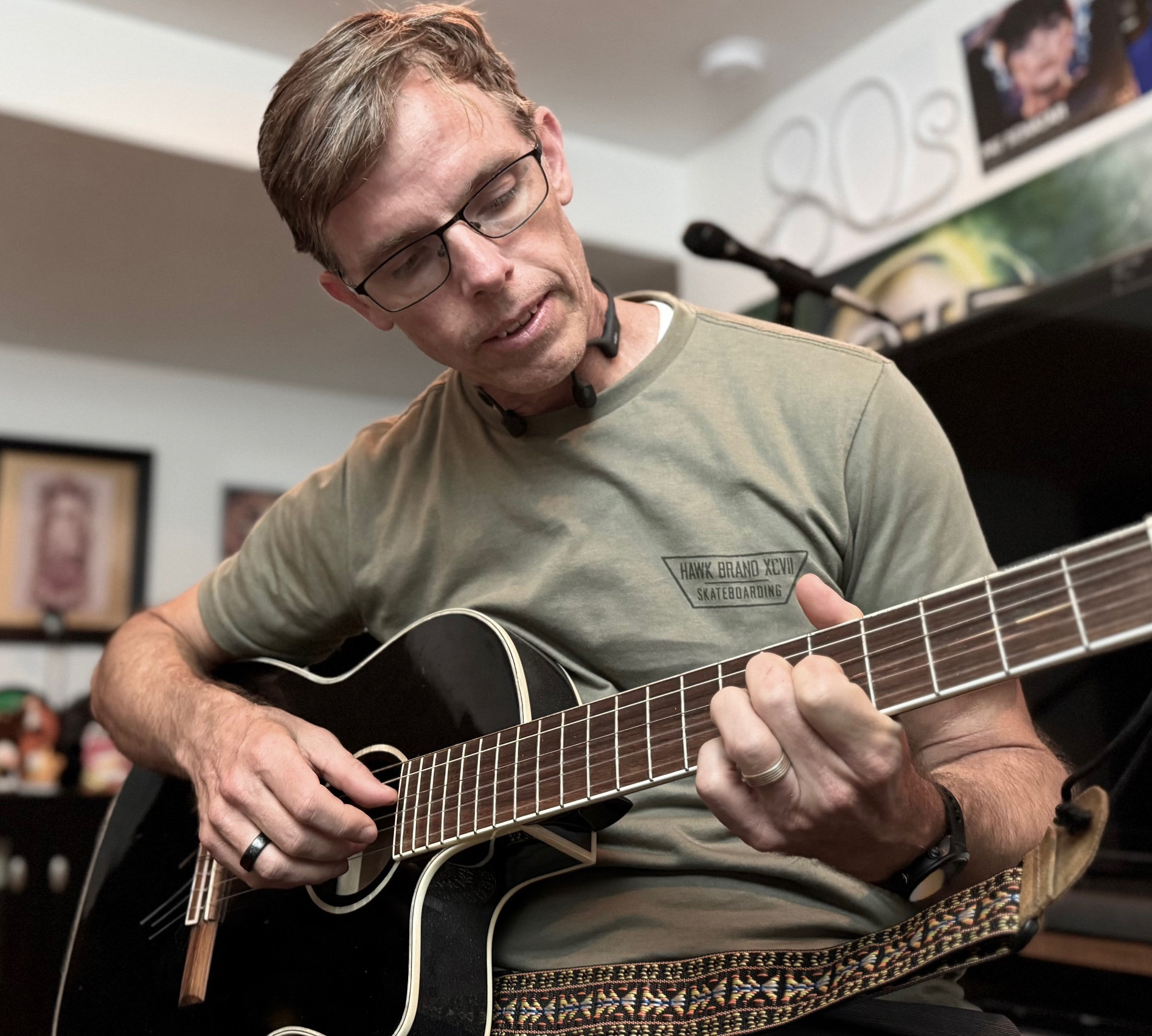
I compare it to the snapshots while practicing an instrument (yes, I took this photo today).

As leaders, creatives, and decision-makers, it’s tempting to reveal only the polished version. We bank our success on the brilliant outcome, but our soul’s investment takes place well before the crowd cheers. What we all truly connect with—and learn from—are the in-progress, behind-the-scenes, “we’re still in it” stories. That’s where the resonance lives, and where the growth happens.


“What we all truly connect with—and learn from—are the in-progress, behind-the-scenes, “we’re still in it” stories. That’s where the resonance lives, and where the growth happens.”

Making Room for the Valuable Interruptions

In my hybrid schedule—part Zooms, part whiteboard sketching, part deep work—I’ve started recognizing the value of intentional interruptions. Not just allowing them, but>respecting them, because, as a business owner, husband, father, and community member, those interruptions aren’t distractions. They’re part of my whole self. And I’ve noticed: when I allow them in, I lead more authentically. I show up with more humanity for my team and my clients: This happened today:

  • 8:15am: A block walk with my labradoodle, Pepper
  • 9:25am: A nutrition chat with my wife Heather
  • 10:45am: A sofa sit-down with my 15-yr-old, just social-scrolling  ;-]

These moments don’t pull me away from leadership. They inform it. They help me stay rooted in what matters. They keep my expectations for others real. And they model the kind of balance I hope our team feels permission to seek for themselves.

The Value of Stories in Progress

Creative work, marketing strategy, and leadership all require insight. But insight rarely comes in perfect packages. It emerges in conversations, observations, even in frustrations. And if we wait until things are wrapped up and client-ready before we reflect, we miss out on the best lessons. Here are a few ways I try to stay present with what’s happening now:

  1. Journal Quick Fragments: I keep a rolling note with 2–3 bullet points a day. What clicked? What felt off? What’s worth revisiting? No need to polish—just capture.
  2. Reflect Out Loud: Voice notes after a meeting or task help me articulate what I’m sensing, especially when something didn’t go as expected. It creates clarity I can return to later.
  3. Share Something Before it’s Fully Solved: When appropriate, I’ll share with a team member or client what I’m still navigating. It builds trust and often leads to stronger solutions. It also tells others: you don’t have to have it all figured out to speak up.

You Don’t Have to Be a Thought Leader to Lead with Thought

I want to be better at showing up with intention—for the people I serve, the business I’m building, and the culture we’re shaping. And sometimes, that means opening a post or conversation with “Here’s where I’m at today.” It won’t always be shiny, but it will be sincere. And if that sincerity gives somebody else permission to state where they are, reflect more clearly, or lead more authentically, then it’s worth sharing,

“Secrets to Success?” I’m Not Falling for it.

If there are secrets to success, no one has told me. Put another way, I don’t believe I will ever say, “I’ve arrived.”

What I do know is that success isn’t a singular moment. It’s not one metric, one pitch, or one big hire. It’s the journey. It’s dozens of small checkpoints. It’s decision fatigue and surprising clarity. It’s a great feedback loop from a client. It’s a missed opportunity you learn from. It’s a short pause that gives you a new perspective.

And it’s often the moments you didn’t plan for that offer the most insight.