Helping Good Brands Get Even Better

Helping Good Brands Get Even Better

Lisa Harmer

Campaign and Program Director

Helping Good Brands Get Even Better

Beyond the Facelift: A Brand Evolution Story

Sometimes the strongest brands need a refresh to keep leading.

At Targa, we see branding as more than a logo or color palette—it’s the story and promise that connects a business to its audience. And sometimes, even the strongest brands need a refresh to keep their edge.

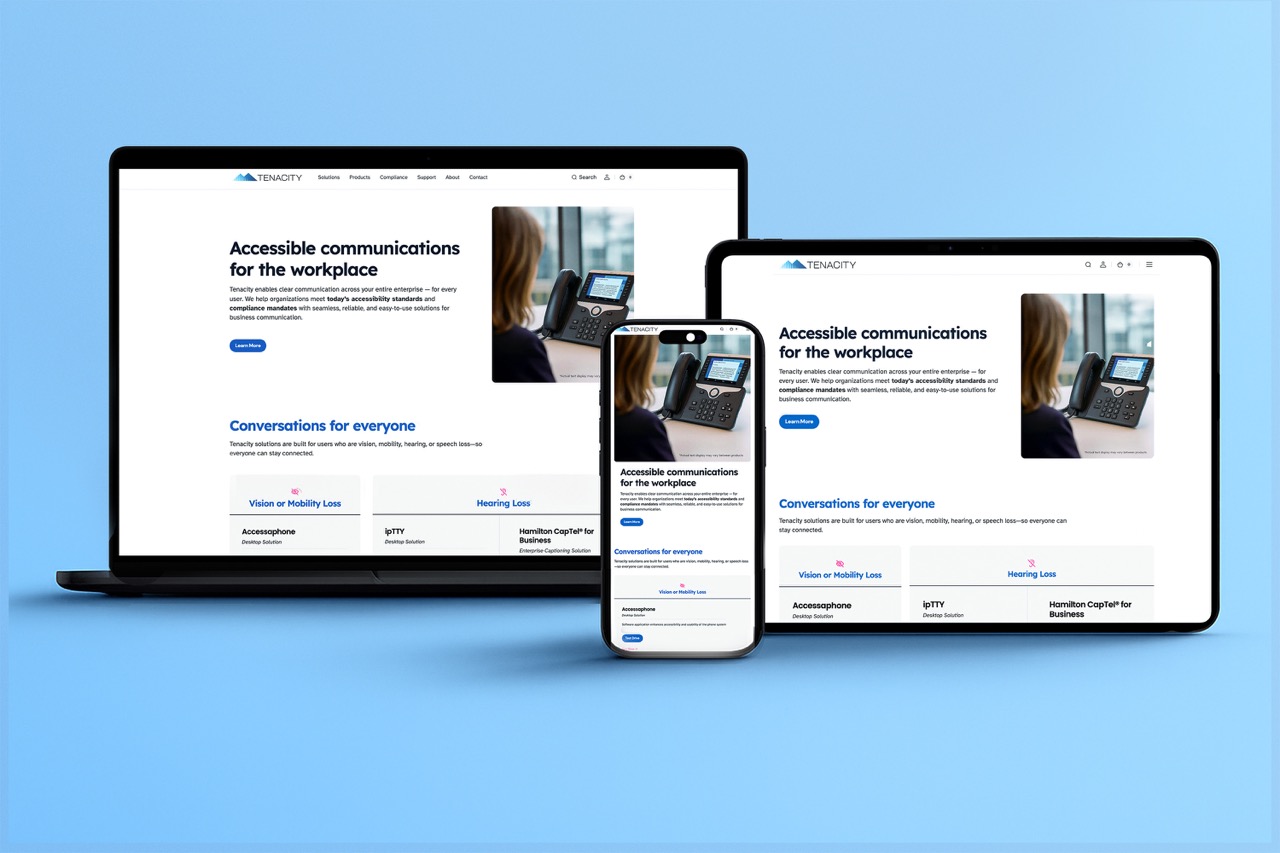
That was the case for Tenacity, a category leader in enterprise-grade captioning. As new competitors entered the space and opportunities with partners like Cisco emerged, Tenacity needed more than an update—they needed a brand evolution that could reflect their leadership, sharpen their voice, and resonate with a broader audience.

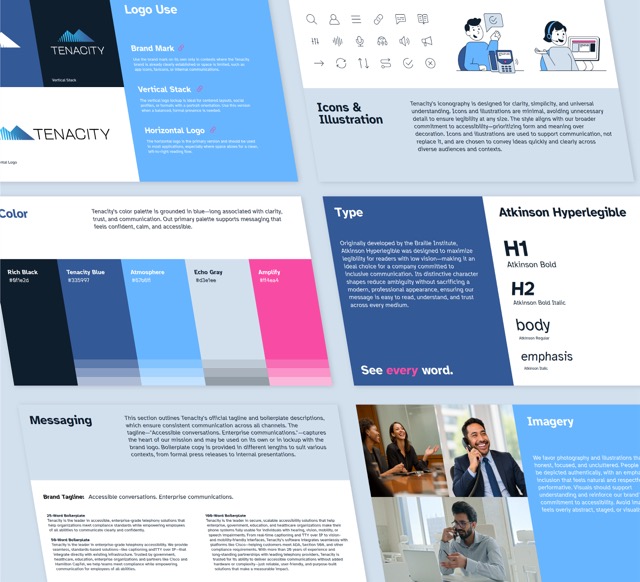
We worked with them to rethink everything from messaging to design elements, creating a modern, human-centered brand that captured their values while setting them up for growth.

The results? Let’s just say the response was immediate and game-changing.

Read the full case study to see how we helped Tenacity reimagine their brand.
Why We Love This Work

This project reminds us why branding is one of our favorite challenges at Targa. Done right, it’s not just about looking better. It’s about thinking bigger. It’s about giving clients a stronger voice in their market and a sharper tool to win in a competitive landscape.

For Tenacity, the rebrand was a launching pad. For Targa, it was another chance to do what we love most: build brands that tell powerful stories, create connection, and spark growth.

Targa Tells All

“I’ve known Steve since our college days—back when our big ideas were scribbled on napkins, and our product was on 3.5” floppy disks. I’ve worked with Steve over the years to help launch other brands, including RealScript, transcript automation software, and Cooksy which sells high end kitchen equipment. When Steve came to us for some expert help on taking Tenacity to the next level, I jumped at the challenge. This is the kind of partnership I love to build through Targa—long-term, collaborative, and built on trust. We love learning about new industries, audiences and products as much as we love getting startups off the ground; we help them grow faster, smarter, and stronger—with a team that’s as invested in the journey as the founders themselves.”


Beyond the AI Hype: Why Targa Brings the Human Intelligence

Beyond the AI Hype: Why Targa Brings the Human Intelligence

Lisa Harmer

Campaign and Program Director

Beyond the AI Hype: Why Targa Brings the Human Intelligence

Everyone’s still talking about AI. Not a lot of people are talking about how often it fails.

MIT’s did some research that says 95% of enterprise AI pilots deliver zero measurable ROI. Not because the models are broken, but because the inputs are. Bad processes. Blurry strategies. Poor data. Garbage in, garbage out. That can happen in the creative agency world too.

A lot of marketing people think about AI as a cost- or time savings tool. That may have some truth to it but the real win in the AI era centers around the way we harness it to accelerate our teams—creating better work, more thoughtfully, and more efficiently. Good stuff in, better stuff out.

How we Leverage AI

At Targa, the AI + HI mission inspires us. We dig deep, researching relentlessly, constantly testing new ways to grow our business, our team, and our clients. We bring our creative brainpower, strategic research, and broad cross-industry experience to shape our AI conversations with one irreplaceable input: our Human Intelligence (HI).

But it’s not just about fun — it’s about results:

    • Experience. We’ve studied our clients, their business, their brand, and we know their objectives like the back of our hand. But—and this is important—we’re viewing everything with a fresh lens to keep focus not just on what the brand wants to say but what the customer needs to hear.
    • Perspective. We work across clients, industries, and markets—building context and nuance that AI on its own just can’t replicate. We capture a depth of learning through trial and error across industries and apply that successfully to each client’s specific challenge.
    • Care. We feed AI with clarity, creativity, and strategic insights. Our natural creative problem-solving skills help us sharpen our conversations with AI so they actually make sense. Much like a designer will tweak spacing or futz with a shade of blue to get it “just right”, our strategic guidance for AI has the same thought and nuance.

From spin-to-win games to quizzes, challenges, contests, and skill competitions, gamification offers marketers a new kind of toolkit for engagement.

Why It Matters for Our Clients

Some clients worry about whether agencies “use AI” in their process. They do. We all do. The real question is how.

Targa’s goal around our AI + process is to consistently deliver:

    • Smarter inputs:  Real strategic direction, not just prompts.
    • Cross-industry insights: insights drawn from years of hands-on client work.
    • Human creativity + AI efficiency: faster outputs, more impactful results.
    • A personal touch: AI doesn’t care about your business. We do.

At Targa, we don’t buy into AI just because “everyone’s doing it.” For us it’s about integrating AI with HI to accelerate the right ideas, not the wrong ones. That’s the hype we love to hype.

Final Thought

AI alone is not the answer to every challenge. But with the right HI, it can help propel your business to the future. That’s where the Targa magic happens.

Success in Progress: We All Need Your Stories

Success in Progress: We All Need Your Stories

Jason Steed President and CEO at Targa Media

Jason Steed

Owner and CEO

Success in Progress: We All Need Your Stories

In our culture of highlight reels and polished success posts, I’ve come to believe the stories we need more of are the ones that haven’t been resolved yet.

The in-between moments are where your real work happens. And we all want to hear more about that! In this post, I’ll share a few actual timestamps from my day today, alongside some collective reflections on how “in-the-moment” stories connect us with customers, peers, friends, family… and maybe most importantly, with ourselves.

Where’s your Head Today…Right Now?

If you’re reading this on LinkedIn, let me ask: Where’s your head right now…today? Are you willing to share? I admit, it’s an uncomfortable action for me.

Here’s where today took me: scattered, buzzing, and a little business-waterlogged. I’ve been in back-to-back strategy sessions, digging through campaign reporting, refining proposals, and coaching creatives. Wednesday was a blur. I felt like I was just showing up and checking boxes. Nothing was bad. But nothing felt sharp.

Then something shifted. I had a 1-on-1 check-in with one of our art directors—a conversation that wasn’t on my mental “highlight reel” going into the day. We talked about each of our struggles to balance growing pains with rewarding growth. It brought us both to a place of energy, alignment, and a renewed sense of purpose. It reminded me that even on seemingly deflated days, connection can be the spark that makes the work feel real again.

Why the In-the-Middle Stories Matter

Too often, we wait until something’s “done” to talk about it. We wait until the deck is finalized, the launch has gone live, or the win has been secured. And while those milestones matter, they don’t carry nearly as much weight without the context of the journey.

I compare it to the snapshots while practicing an instrument (yes, I took this photo today).

As leaders, creatives, and decision-makers, it’s tempting to reveal only the polished version. We bank our success on the brilliant outcome, but our soul’s investment takes place well before the crowd cheers. What we all truly connect with—and learn from—are the in-progress, behind-the-scenes, “we’re still in it” stories. That’s where the resonance lives, and where the growth happens.


“What we all truly connect with—and learn from—are the in-progress, behind-the-scenes, “we’re still in it” stories. That’s where the resonance lives, and where the growth happens.”

Making Room for the Valuable Interruptions

In my hybrid schedule—part Zooms, part whiteboard sketching, part deep work—I’ve started recognizing the value of intentional interruptions. Not just allowing them, but>respecting them, because, as a business owner, husband, father, and community member, those interruptions aren’t distractions. They’re part of my whole self. And I’ve noticed: when I allow them in, I lead more authentically. I show up with more humanity for my team and my clients: This happened today:

  • 8:15am: A block walk with my labradoodle, Pepper
  • 9:25am: A nutrition chat with my wife Heather
  • 10:45am: A sofa sit-down with my 15-yr-old, just social-scrolling  ;-]

These moments don’t pull me away from leadership. They inform it. They help me stay rooted in what matters. They keep my expectations for others real. And they model the kind of balance I hope our team feels permission to seek for themselves.

The Value of Stories in Progress

Creative work, marketing strategy, and leadership all require insight. But insight rarely comes in perfect packages. It emerges in conversations, observations, even in frustrations. And if we wait until things are wrapped up and client-ready before we reflect, we miss out on the best lessons. Here are a few ways I try to stay present with what’s happening now:

  1. Journal Quick Fragments: I keep a rolling note with 2–3 bullet points a day. What clicked? What felt off? What’s worth revisiting? No need to polish—just capture.
  2. Reflect Out Loud: Voice notes after a meeting or task help me articulate what I’m sensing, especially when something didn’t go as expected. It creates clarity I can return to later.
  3. Share Something Before it’s Fully Solved: When appropriate, I’ll share with a team member or client what I’m still navigating. It builds trust and often leads to stronger solutions. It also tells others: you don’t have to have it all figured out to speak up.

You Don’t Have to Be a Thought Leader to Lead with Thought

I want to be better at showing up with intention—for the people I serve, the business I’m building, and the culture we’re shaping. And sometimes, that means opening a post or conversation with “Here’s where I’m at today.” It won’t always be shiny, but it will be sincere. And if that sincerity gives somebody else permission to state where they are, reflect more clearly, or lead more authentically, then it’s worth sharing,

“Secrets to Success?” I’m Not Falling for it.

If there are secrets to success, no one has told me. Put another way, I don’t believe I will ever say, “I’ve arrived.”

What I do know is that success isn’t a singular moment. It’s not one metric, one pitch, or one big hire. It’s the journey. It’s dozens of small checkpoints. It’s decision fatigue and surprising clarity. It’s a great feedback loop from a client. It’s a missed opportunity you learn from. It’s a short pause that gives you a new perspective.

And it’s often the moments you didn’t plan for that offer the most insight.

Data Gives Creativity a Compass

Data Gives Creativity a Compass

Jason Steed

Owner & CEO

Data Gives Creativity a Compass

We creative types carry an invisible compass—our instincts. They’ve been forged in brainstorms, pitches, prototypes, and client wins. But as much as we honor creative instinct, we also know that instinct isn’t the same as insight. And if there’s one truth I’ve learned in my career, it’s that data trumps opinion.

Data Brings Direction

It doesn’t mean we strip creativity of its magic. It means we build the right fence at the right time because we know where the cliff edge is; because we know why our services solve problems. We don’t stifle ideas—we give them direction. We give them purpose. I’ll share some of the most valuable metrics in this article, along with key discovery questions in building meaningful marketing campaigns.

Kudos to the Creatives who Dig the Data!

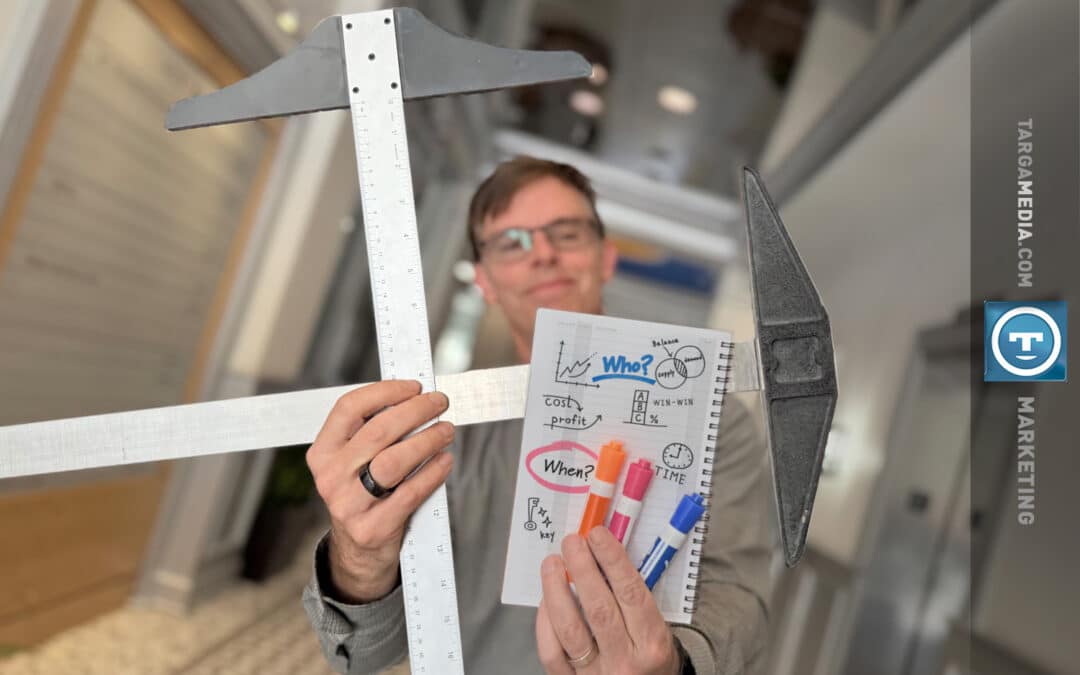
Even early in my design career, I was drawn to the metrics. My Marketing 101 elective at BYU left a lasting impression, and later I taught e-commerce at the University of Utah. I often felt too analytical for a creative field, compared to my creative peers—until I realized I was more wired for commercial art than for fine art. In our organization, we are always asking the questions: Who, how, when and why. These are more than marketing questions. They’re creative prompts. And everyone on our team—everyone—asks them. From project managers to designers to strategists, we share the same compass: Data-informed creativity. Boundaries give context to campaigns.
It’s easy to fall in love with a design because it “feels right.” But when creative work lives inside a business ecosystem, the stakes are higher than personal taste. Our job isn’t just to create something beautiful—it’s to create something effective: something that resonates, something that converts. Effective work starts with asking the right questions:
  • Who is the audience?
  • Why should they care?
  • How are they engaging with us?
  • When are we reaching them?
Who what when where why important marketing questions

Let Metrics Art-direct the Work

We marketers are in the business of marrying constraints with creativity. When we know the rules, we can break them with intention. But when we don’t know what the data says, it’s just pretty-looking guesswork. Here’s how we shift from guesswork to grounded inspiration:
  1. A/B test two versions of a campaign and study what performed better
  2. Track engagement across different audience segments to guide message tone or visual hierarchy
  3. Monitor sales impact or lead conversions tied directly to campaign rollouts
“Asking who, why, how and when is part of our culture. It’s part of our stewardship. And the more we ask these questions, the more trust our clients place in our creative partnership.”

Finding the Best Data

The best data comes from many sources—most importantly, from the customer. One of our most important responsibilities is to help clients uncover the data that matters. That means going deeper than surface-level metrics like impressions or “likes.” The best insights often hide inside sales data, customer service tickets, CRM feedback, and behavioral trends.

In our work, we make it a point to ask:

  • Who is this campaign really for?
  • Why are they choosing competitors over you?
  • How do those people make decisions?
  • When do they engage with similar products or services?

These are the same questions we ask ourselves internally. It’s part of the culture. It’s part of our stewardship. And the more our clients know we’re asking these questions, the more trust they place in our creative partnership.

Products on the shelf
All In? Or 2 Places at Once?

All In? Or 2 Places at Once?

Jason Steed

Owner & CEO

All In? Or 2 Places at Once?

My Thoughts on Showing Up as a Busy Marketer

The struggle is real! It all has to be done, and days aren’t getting longer anytime soon.

It’s terribly awkward, isn’t it? Those moments of being everywhere, yet not really there. We’ve all been on both sides of these encounters. It’s all too easy to fall into the trap of spreading ourselves too thin. Life is demanding, and “I’m not driving” can feel like the only solution. Our deep attention is vital in our leadership roles, and we marketers and team leaders have to shed distractions.

Yes, we have to say “no.” Who’s with me?

All In vs. Half-baked

In marketing, the subtle cues really matter! A marketer’s biggest contribution is in baking the right ingredients into a meaningful marketing campaign. Only when we’re all in can we absorb the nuances of audience, message, timing and placement. Because those ingredients are always in flux, we can’t spread ourselves too thinly by simply refurbishing past campaigns.

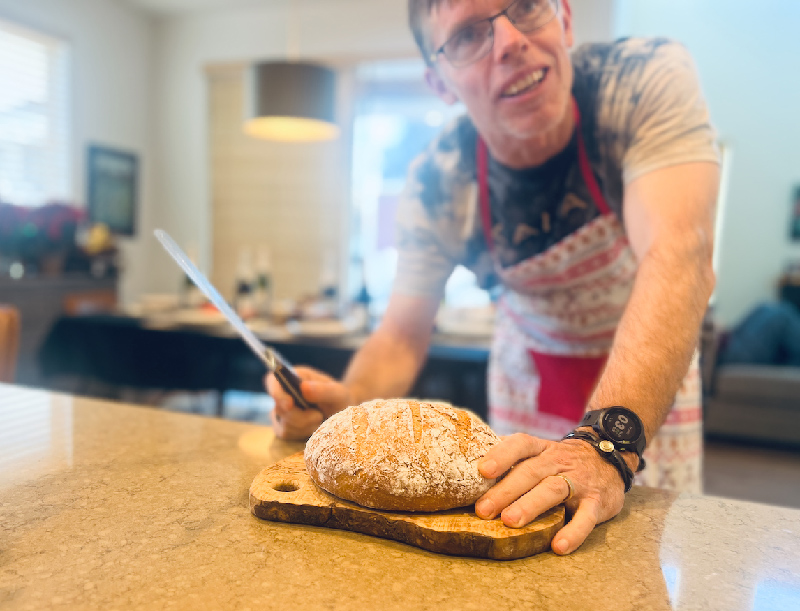
Jason Steed bakes gluten-free bread Thanksgiving

Authenticity: Handle with Care

You know that feeling when someone’s actually paying attention to you? Not just nodding while making a mental list. That’s authenticity and it’s a precious commodity in leadership roles. When you show up fully engaged, people feel it. They trust you. They respect you. It’s not something you can fake, and no amount of rehearsed multitasking tricks can replace it.

Being fully present means capping our time. Authenticity requires shining a light on our distractions and choosing to invest our time and energy where it really counts.

When it comes to being all in, never underestimate the power of “Just one sec, let me wrap something up.”

Ditch the Distractions

Confronting then ditching our distractions is undoubtedly lifelong work. I’ve come to realize how important it is to drop our “mental listing,” even if just for a moment. Incessant mental tallying is a viable survival tactic, but hitting the pause button lets us contribute the best ideas from our best selves. So, now that we’ve called it as it is, how can we avoid those exposing situations of being half-invested? The first step in being more present is recognizing what’s pulling you away. Ask yourself these simple questions:

  • “Can I give this my sincere attention?” If not, it’s probably not worth your focus.
  • “Can I give this my attention right now?” Timing is everything. Just because something’s important doesn’t mean it’s urgent.
  • “Should I stop giving this my attention?” Letting go of what doesn’t matter is hard, but it frees you to focus on what does.
  • “Am I needed, or just wanted?” It’s a life-long pursuit in recognizing the difference, but essential to showing up in the right places.
  • “Just one sec, let me wrap something up.” Never underestimate the power of this statement when you’re pulled into an important moment.

These little check-ins keep you honest with yourself and help you stay in control of your priorities.

Make the Tough Choices: The Imperative “No.”

Here’s the deal: your time, energy, and focus are limited. You can’t do it all, and that’s okay. In fact, it’s freeing. When you start saying “no” to the things that don’t need you, you’ll have more space to say “yes” to the things that do. And when you’re all in, people notice.

Be Picky, but Be Present

It’s not about doing everything; it’s about doing the right things with your whole heart. Start being picky about where your time and energy go, and watch how it changes your relationships, your work, and even your own peace of mind. So, next time you’re pulled in ten different directions, ask yourself:

  • Does this really need me?
  • Can I give this my full focus, or am I just going through the motions?
  • What’s the cost of saying “yes” to this?
Gavin's tree in Minecraft

Marketing Case Study – Minecraft with my 15-yr-old:

Showing up where we’re truly needed makes us better thinkers and problem-solvers. We’ll also bring more energy to the people and moments that matter most in our professional and personal lives.

Just this past week I was reminded of the value of quality of time over quantity. Though I don’t find much interest in Minecraft, I like seeing the creative worlds through my 15-yr-old’s gaming eyes. Instead of “doing time” over his shoulder, I briefly “checked out” of my own head and learned what was in his head (i.e. understanding our audience). He’s very clever with the way he builds authentic-looking terrain, including trees with lighter colored half-blocks that looked like exposed root systems around the trunks.

I loved learning how realistic landscapes are important to him (i.e. audience motivation). I learned that because I asked. I asked because I was curious. I was curious because I was all in for that short block of time.

Afterward, my mental lists were still there for me, with an added perk of meaningful father-son bonding for both of us.

Show Up Wholeheartedly

Life’s too short to phone it in. Let’s commit to showing up where we’re needed most. The ripple effects of our presence—at work, at home, and in the world—are worth it.