
Heidi Blackburn
Assistant Project Manager
Behind the Screens: What Rebuilding Our Own Website Taught Us About Collaboration
If you’ve noticed things look a little different around here today…welcome to our brand-new digital home!
As a creative services firm, we spend our days building incredible things for our clients. But when it came time to redesign our own website, we decided to treat ourselves as the client and run an internal experiment. We didn’t want a small siloed team. We wanted a website that reflected our collective culture, and more importantly, we wanted to test a deeply collaborative way of working.
So, we turned our redesign into a weekly, company-wide co-creation process. What we learned along the way has completely redefined how we view client collaboration.
Building in Public
Our goal was not simply to launch a new website. We wanted to create a site that reflected the collective expertise, culture, and perspective of our entire team.
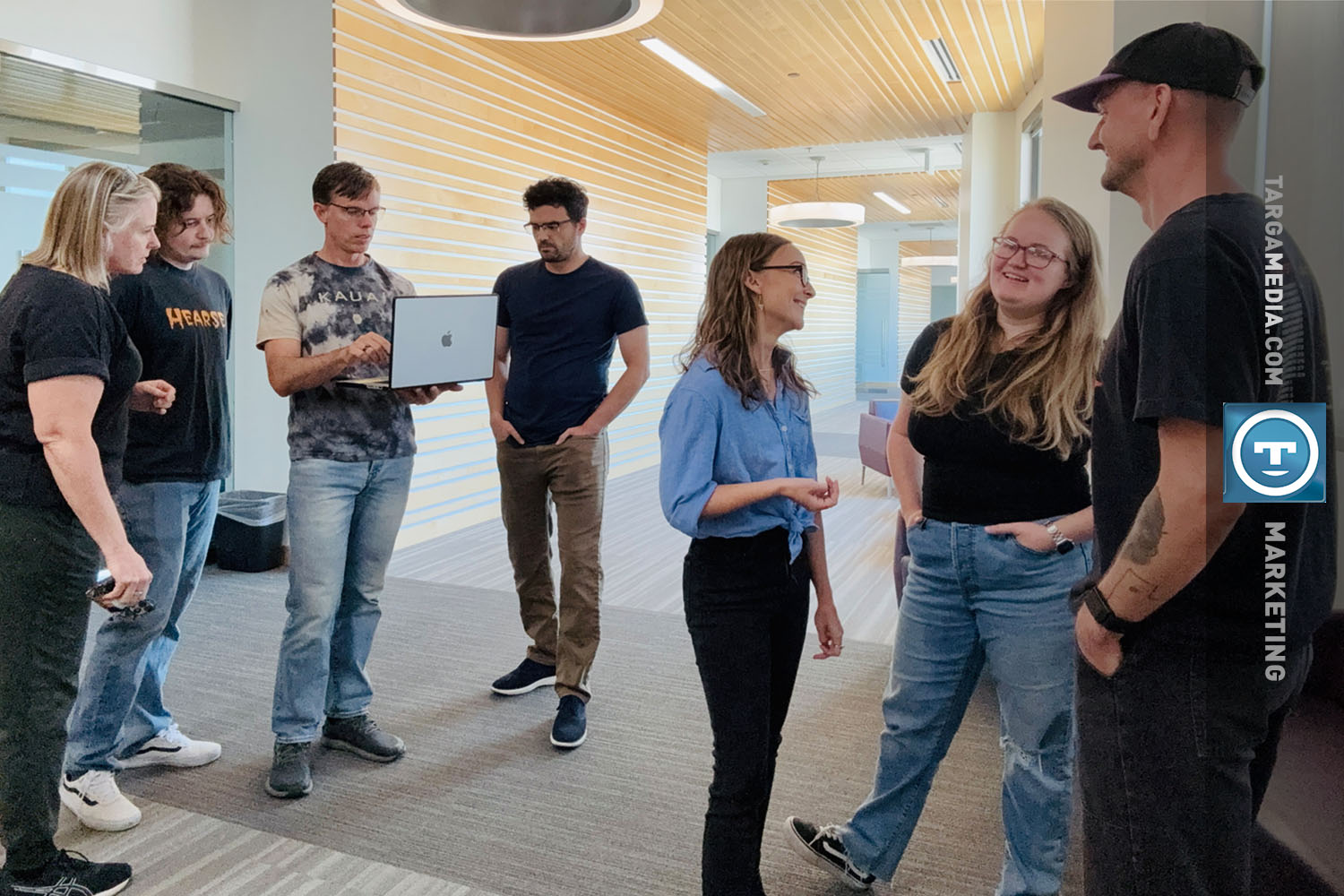
To make that happen, we established a weekly review cadence. Designers shared work in progress, discussed decisions openly, gathered feedback, and made adjustments in real time.
The website was not built behind closed doors. It evolved through continuous feedback from across the agency.
What emerged was not just a stronger website. It was a stronger process.
Over time, marketing starts feeling fragmented instead of intentional.
Faster Alignment, Fewer Surprises
One of the biggest advantages of the weekly review process was how quickly we could validate ideas. In many projects, teams spend days or weeks refining a feature only to discover it does not support the larger goal. Regular feedback helped us avoid that trap. As one of our art directors explained:Why More Voices Worked
Conventional wisdom says too many stakeholders create too many opinions.That certainly can happen when projects lack clear goals. One of our creatives reflected on the experience this way: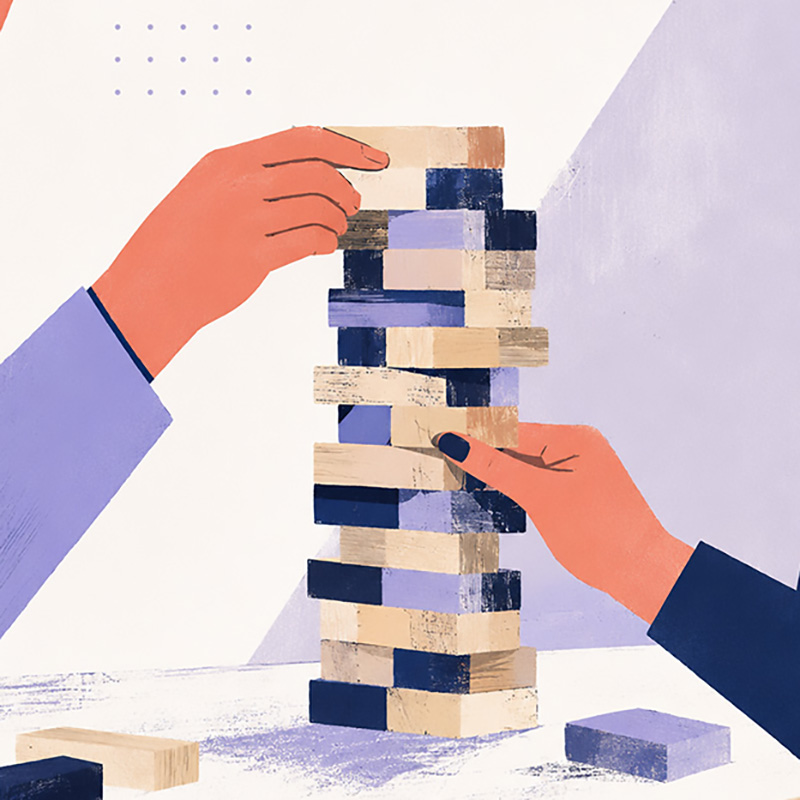 Success did not come from limiting participation. It came from creating clarity. When the objective is understood, collaboration becomes productive rather than disruptive.
The Power of Early Content Alignment
One of the most valuable lessons came from the relationship between design and messaging. Website projects often focus heavily on visual design early in the process. But design can only be as effective as the story it helps communicate. By involving marketing and content stakeholders from the beginning, we were able to align structure, messaging, and visual design simultaneously. As one of our designers put it:What This Means for Our Clients
The biggest takeaway from rebuilding our own website was not about design. It was about collaboration.
The most successful projects are not created through long periods of isolation followed by a dramatic reveal. They are built through consistent communication, shared ownership, and ongoing alignment.
That is the approach we bring to our client work.
By involving stakeholders early and reviewing progress regularly, we can:
- Reduce costly rework
- Stay aligned with business objectives
- Surface better ideas sooner
- Accelerate decision-making Build stronger outcomes
Explore the New Site
Our new website reflects more than an updated visual identity. It represents a process we believe in, one built on transparency, collaboration, and continuous improvement.
Take a look around and explore what’s new.
And if you are planning a website redesign, campaign launch, or creative initiative, we would love to talk about how a more collaborative approach can help you achieve better results.