
Earth Day Initiatives for a Sustainable Future

Earth Day Initiatives for a Sustainable Future

Alison Hayes Sr Marketing Admin at Targa Media

Alison Hayes

Sr. Marketing Admin

Earth Day Initiatives for a Sustainable Future

Each year, on April 22nd we celebrate Earth Day, a tradition started in 1970 to commemorate the achievements of the modern environmental movement. The day also raises awareness of the need to protect the Earth’s natural resources. Over the years, Earth Day has evolved into a worldwide phenomenon that we are happy to be a part of.

At Targa we take the environment very seriously. We approach sustainability with a series of ongoing efforts and daily initiatives that are incorporated into our business operations and policies. We firmly believe that even the smallest actions can yield significant results, and it’s through these collective efforts that we strive to effect positive change for our planet.

Greening Our Workspace

In our office, we prioritize achieving as close to zero waste as possible. We utilize compostable alternatives, such as coffee pods and office supplies, when we can. Additionally, the majority of other office items, including paper and cardboard boxes, even e-waste, are recycled.

Through these practices, we aim to minimize our environmental footprint and promote sustainability within our workplace.
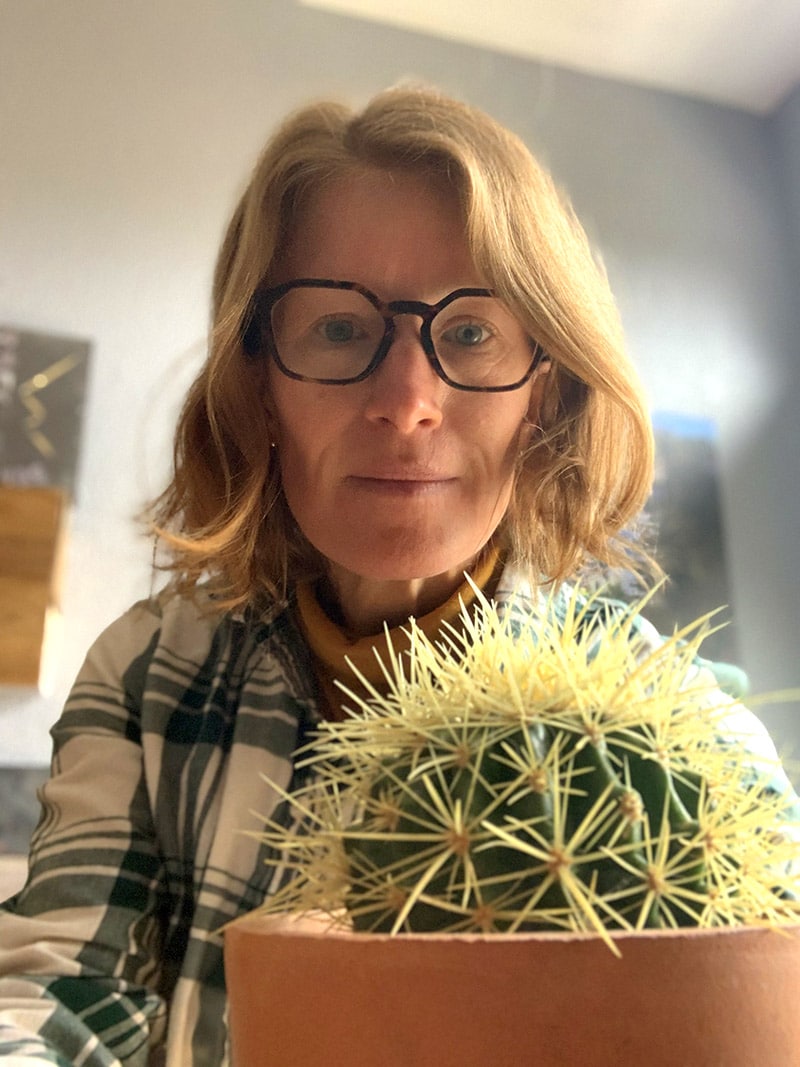
Alison tending to our office plants

Local Support:

We prefer to utilize local vendors, recognizing the dual benefit it brings to our operations and the community. By sourcing goods and services locally, we significantly reduce the carbon footprint associated with transportation and logistics, and contribute to a more sustainable business model. Our commitment to local vendors extends beyond environmental considerations, it serves as a tangible expression of our support to the business network in our area, fostering economic resilience and community cohesion.

Beyond supporting local businesses, Targa believes in giving back to causes close to our hearts. Each quarter, we allocate a portion of our funds to make monetary donations to initiatives that resonate with our team, oftentimes these donations go to environmental groups. The contributions frequently extend to supporting local, state and even national organizations.

Share Your Message:

Earth Day provides all of us an opportunity to share our best environmental practices. As products become more sustainably manufactured we are thrilled to craft and amplify our clients’ stories and messages.  We love telling the Earth Day story and would be delighted to help you tell yours.

Jason’s Take

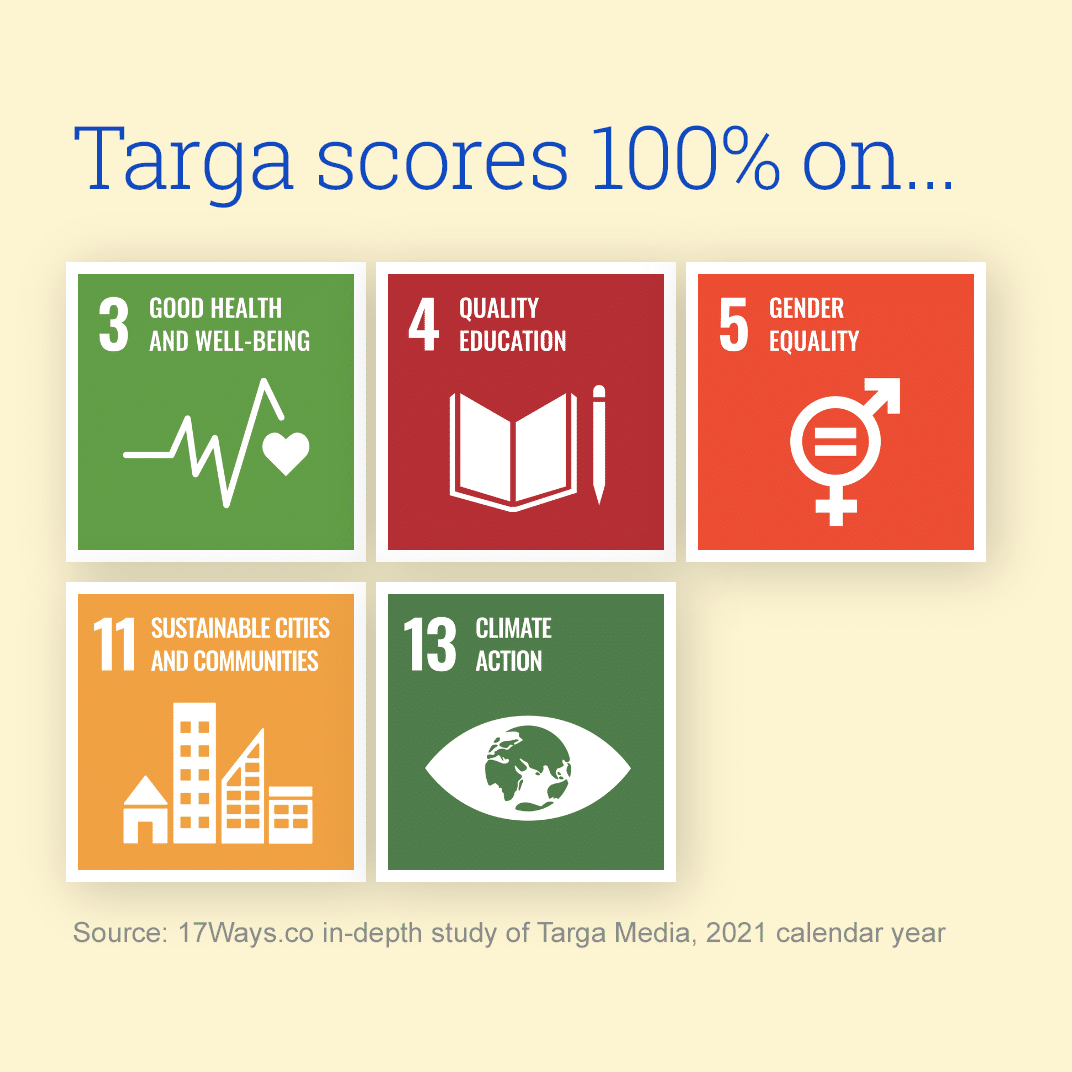
We love our hybrid work model, supporting our local communities, wellness programs, and other give-back perks. For several years, Targa Media has supported various community initiatives through quarterly contributions to local nonprofits, public transportation incentives, donating computer equipment to youth media programs, recycling programs, and staying current with energy-efficient equipment. Check out the published 17Ways report showing how the Targa team is fulfilling its commitment to #environmentalsustainability and #worklifebalance #wellness
Shared Ownership, Opening New Doors for Targa

Shared Ownership, Opening New Doors for Targa

Jason Steed

Owner & CEO

Shared Ownership, Opening New Doors for Targa

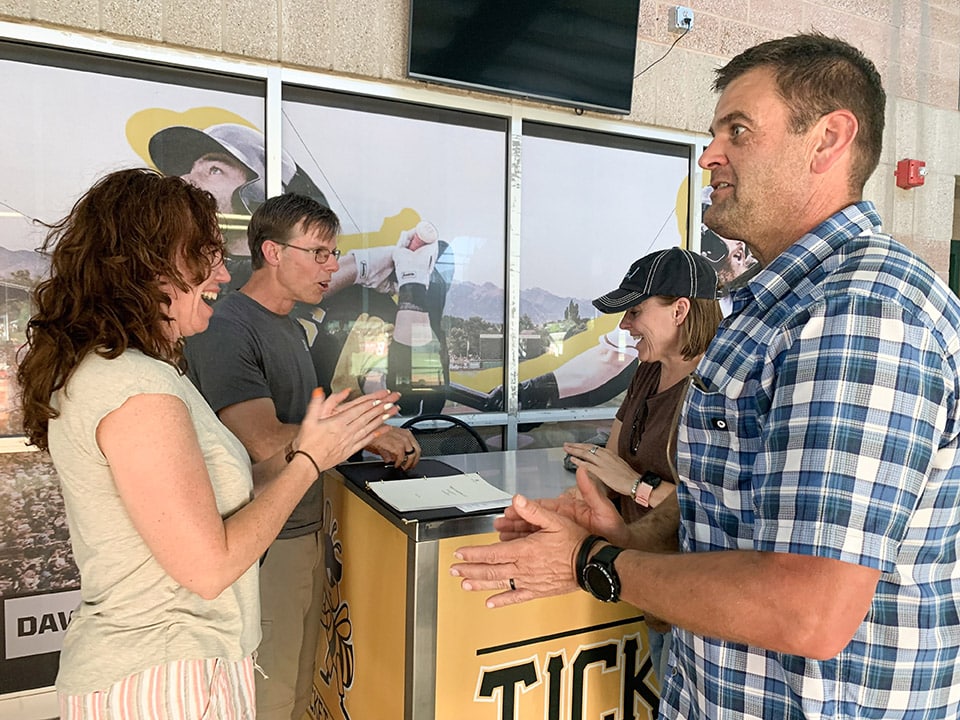
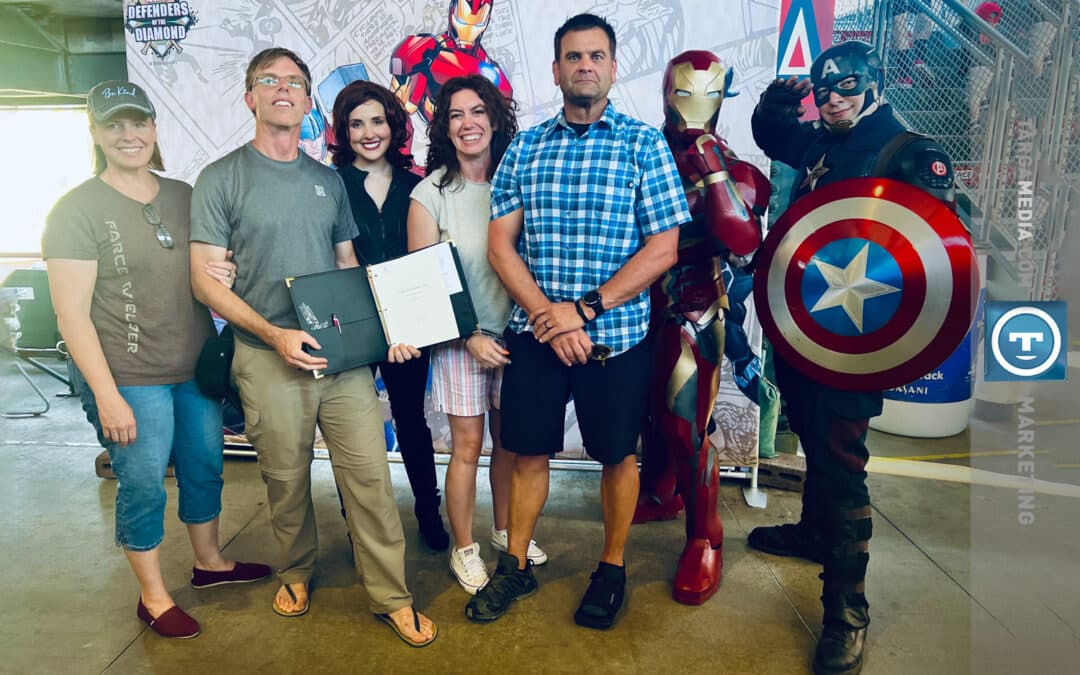
This epic signing moment says it all: Strategy Supercharged! After several years of inspiring leadership she has brought to Targa, it was an easy decision for me to offer Taleen the opportunity to become a business partner. I’m honored that she accepted her new role to help enrich Targa’s value. I’ll share a few milestones that this joint venture brings to our team and our clients.

Partnering Up to Tackle Growing Pains

Targa is growing up, and it’s exciting to trust the process. Bringing on a business partner was a critical step for me in meeting client expectations and growing our business. Though I consider myself conservatively minded, there’s something exhilarating about the unpredictable process of business growth. My wife Heather and I had worked hard to make ends meet for several years. Previous business startups left us licking wounds and digging deep for solutions to a sustainable career. Our ups and downs built the foundation for slow and steady growth. Our relationships with community and friends built the engine for our brand and partnerships ahead.
Since I founded Targa in 2002, I’ve made it a point to surround myself with positive, abundance-minded people. I’ve always believed that you don’t have to look far for people with enormous potential and talent. Taleen joined Targa in 2016, and from day one, her abundance-minded people-first approach has helped to propel the brand that builds long-term client relationships and draws great creative talent to our firm. We coincidentally forged friendships much earlier than 2016 in our community theater world, but that’s a fun blog for another day ;-]
Signing of Targa partnership agreement at Bees Stadium Ballpark
“From day one, Taleen’s abundance-minded people-first approach has helped to propel the brand that builds long-term client relationships and draws great creative talent to our firm”

Common Goals and Unique Strengths

I often make the claim that I’m not the one to write a book on successful entrepreneurship. The steps that brought me to where I am today feel very much out of the norm. But maybe the exceptions to the norm are exactly what defines an entrepreneur. Taleen and I have very different skill sets, but we share the same vision for what success looks like in every creative project. Each marketing task requires human connection. We share the weight of digging deep when crafting a creative brief and asking meaningful questions. Multiplied by several tasks in a day, this is often a heavy burden to bear. Taleen’s willingness to help lift that load has brought an unmatched depth of value to our business, helping me to shoulder a deeper level of core responsibilities. Moreover, Taleen’s help with core business processes has helped me to restore valuable time to Heather and our children, community and church, health, and other balanced pursuits.
 
What Shared Ownership Means to Our Clients
  • New Ideas: Investing in our business foundations brings new ideas and leadership to our clients.
  • Broader Skillset: Tackling problems from different life experiences means more tools and tactics for our clients
  • New Client Bonds: Our shared baseline for putting people first makes for longer-lasting client connections.
  • More Life Balance: Our ability to divvy out weighty responsibilities makes for better life balance and rich collective energies.
  • Growing Together: We discover and broaden new marketing ideas alongside our clients.
What Shared Ownership Means to our Team
  • Leadership Diversity: Each of us benefits from diverse leadership styles, offering more ways to grow and learn.
  • Skill Enhancement: Taleen knows the predictable input/output of systems — a vital balance to my right-brained less analytic wiring — in turn, broadening the team’s expertise.
  • Increased Support: Taleen leads out in the essentials of day-to-day efficiencies.
  • Professional Growth: We invest in each other, keeping personal and professional development in the top position.
  • Strengthened Team Bonds: Taleen’s people-first approach enhances team cohesion and morale.
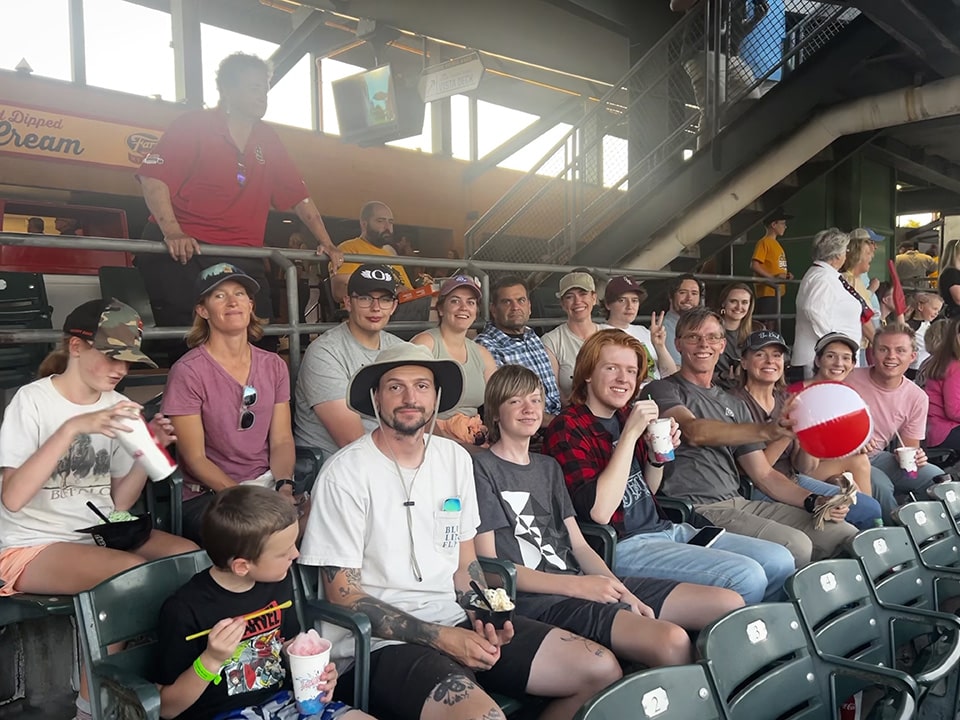
Targa team at Bees Ballpark in Salt Lake City July 21 2023

What’s Your Partnership Story?

Have you brought on 1 or more business partners in your space? I’d love to hear what factors felt right in your business for adding a partner or expanding your company structure. I’m very much of the mind that it’s better to own some of something than all of nothing. ;-] May you embrace the changes and find rewards in taking on the required risks!

About Targa
For over 20 years, Targa has been helping B2B customers be relevant and authentic in their marketing messaging. From local businesses to global Fortune 500s, our method centers on human motivation. We work hard to understand each product and the people who need it most, and then we build campaigns that match up with emotional triggers. We keep our clients informed every step of the way—from napkin scratches to final designs—so they never waste time or money on dead-end campaigns. Meet your un-ad agency. We do things a little differently than your average ad agency. More at un-adagency.com
Processing Targa’s Processes

Processing Targa’s Processes

Ryan Snarr

Creative Lead

Processing Targa’s Processes

The best way we serve our clients is by having a design process we are constantly maintaining and polishing. It just so happens this is the best thing we can do for our individual team members as well. A well-oiled machine delivers the best product and is the most profitable. So why is it that we sometimes overlook this aspect of our business?

Any efficient process is built on informed behavior pointed toward a specific outcome. And while this post isn’t a book report, it feels right to guide these thoughts with some easy-to-digest wisdom from the New York Times best seller, Atomic Habits, by James Clear. If you haven’t decided on what you’re reading this year, do yourself a favor and pick up a copy of this book. It’s worth a read and a re-read.

A habit is a routine or behaviour that is performed regularly and, in many cases, automatically.” – James Clear

If there is anything you want to get down to a science, something as automatic as breathing in and breathing out, it is dialing in the project kick off. This practice not only gets all members of your team on the same page, but it gives you the ability to establish accurate expectations with your clients. If you don’t know what your client is expecting, good luck meeting their expectation regularly. Meeting and exceeding your client’s expectations should be foundational in your organization.

Products on the shelf

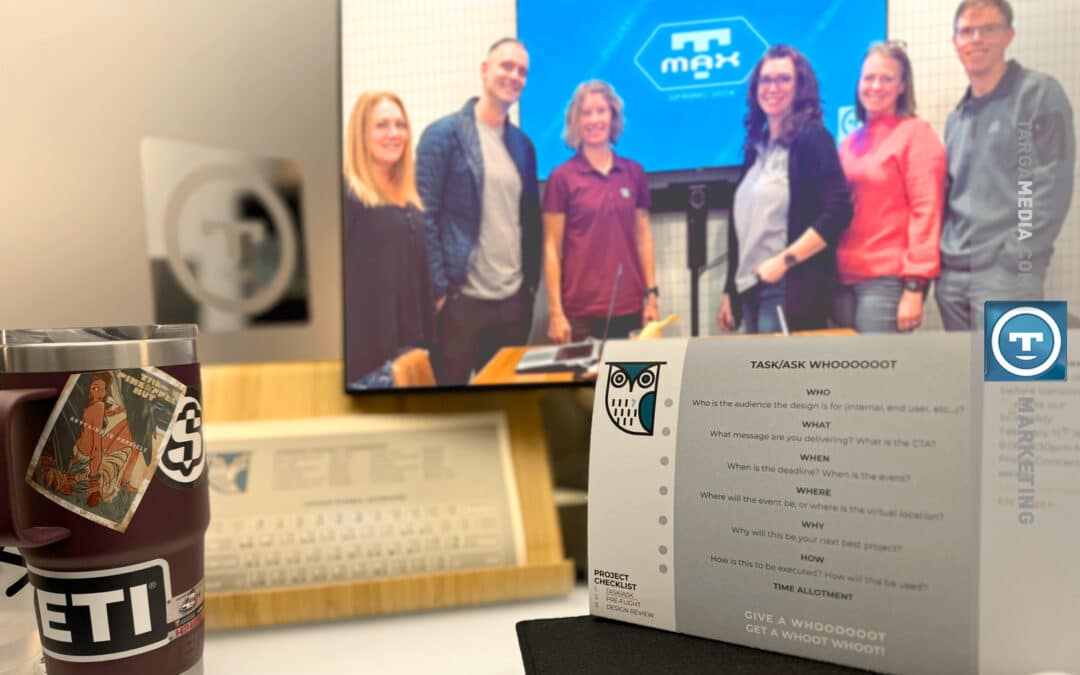
By accurately conveying project needs, you serve your team by helping them understand how to best meet—and exceed—client expectations. At Targa, we hold a daily meeting that is AUTOMATIC. This 30-minute touch base is at the foundation of staying in sync with one another. And we’re always looking for ways to improve it as well. We’ve most recently engaged our team on documenting best practices throughout our design process. Wisely asking 6 imperative questions (Who, What, When, Where, Why, & How) during a project kick off casually became known as ‘Whoooooot’. Chances are if you cover the right information upon project initiation, there will be plenty of celebratory ‘Woot Woot!’ upon project completion.

Changes that seem small and unimportant at first will compound and turn into remarkable results if you’re willing to stick with them for years.” – James Clear

What you DO in your processes is just as important as what you DON’T do. In a recent team leadership discussion at Targa we discussed small regular behaviors that make a mighty difference:

Products on the shelf
  • Time Tracking – leads to project efficiency, staying within client budgets and profitability. The more accurate the data you can pull from timesheets, the better you can find areas to celebrate and improve.
  • Peer Reviews – The team at Targa grows together when we share. We’re able to skill share, cross pollinate and offer support. A second set of eyeballs is super helpful when you’ve been staring at something for a long while.
  • Short Cuts – We learned in our youth not to take shortcuts in life, but they weren’t talking about keyboard shortcuts. There’s a reward for those mastering their Command+Shift functions and other quick keys. The reward is time. Precious time.

Our converstaion about the small things we should do turned into identifying things we dont want to do–Time suckers! Every company experiences circumstances or unexpected setbacks that take up valuable time. While some of these suckers are inevitable to some degree, it is worth the while to swat away at any time wasters you can predict. Clients can easily align themselves with your efforts to cut out wasted time and increase efficiency.

You do not rise to the level of your goals, you fall to the level of your systems.” – James Clear

One of the design process elements that shouldn’t be forgotten could be described as ‘Failing Fast’. When mining for solutions to meet a particular need, the chance of a team landing on the perfect one on their first try is very small. Planning for adequate discovery is key. We should plan for and implement this into our process with agreed upon constraints. One way to describe this process is to go grazing in the pasture for ideas or solutions.  

Once a solution can be shown, show it quickly. This enables a design director, the client, or even the target audience the chance to let you know if you’re grazing in the right part of the pasture.

Products on the shelf

The idea here is to find yourself in the right pasture as soon as possible so that project time can be spent exploring and fine tuning the best ideas for the client’s needs.

So, to revisit where we started, why might certain steps in your process get overlooked? Perhaps we’re thinking too much about the nuts and bolts of the job, or the scope of the work. Revisiting this topic frequently for your team is worth consideration. A lumberjack with a dull ax uses twice the energy and cuts down half as many trees as the one who pauses to sharpen his ax frequently. If Confucius didn’t say that at some point, Paul Bunyan probably did.

It’s fun to see what AI will create when you combine themes or seemingly unrelated visuals from an article. This image was created with the prompt:

A cow, an owl, and a mosquito exterminator as adventure heroes all working together efficiently as graphic designers.

As a tease for a future article, we’re setting out to explore the artistic nature of AI through reverse searching parts of the images it spits out to us. Stay tuned.

Food for Thought: Fuel for the Targa Team

Food for Thought: Fuel for the Targa Team

Alison Hayes Sr Marketing Admin at Targa Media

Alison Hayes

Sr. Marketing Admin

Food for Thought: Fuel for the Targa Team

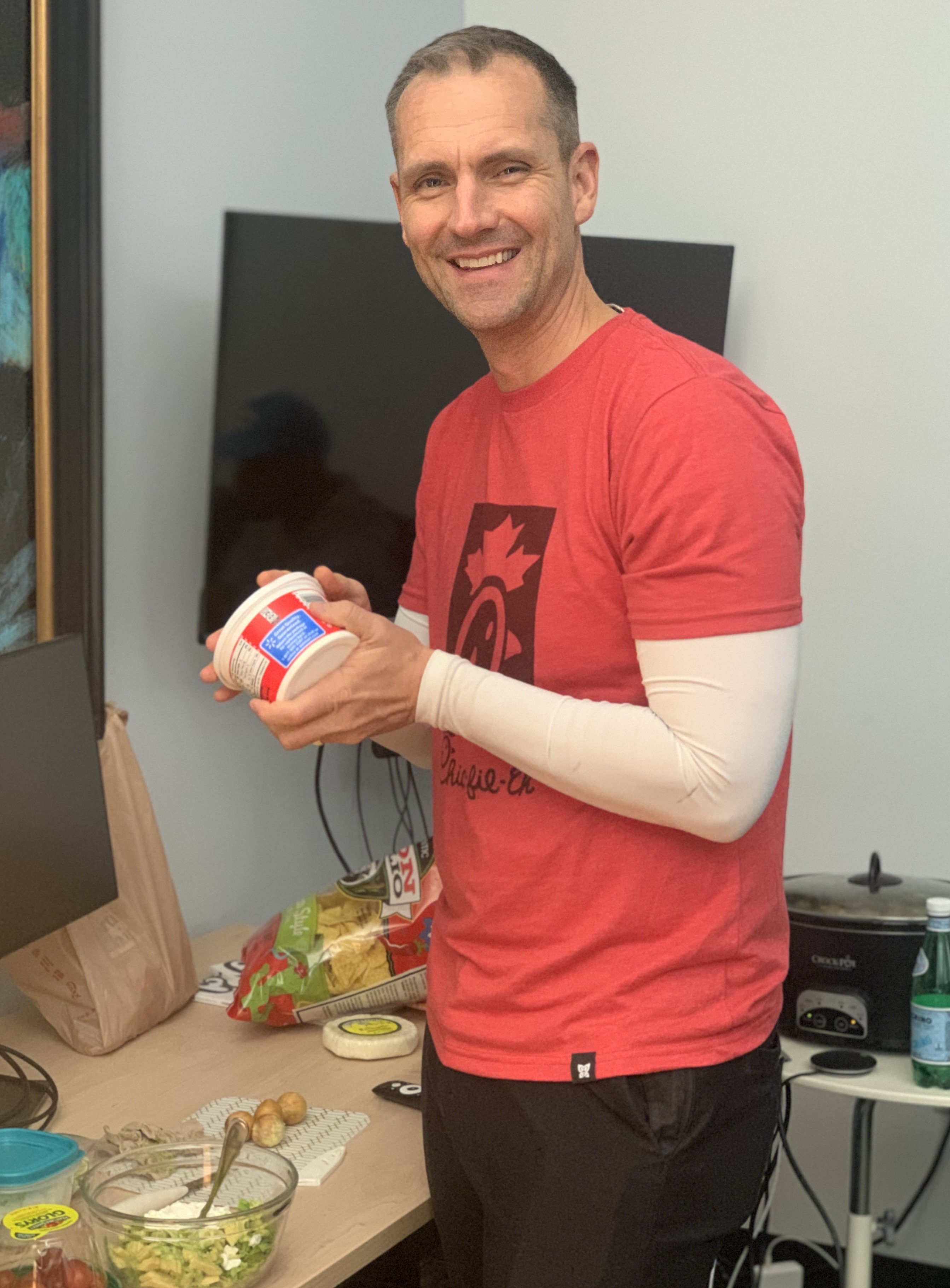
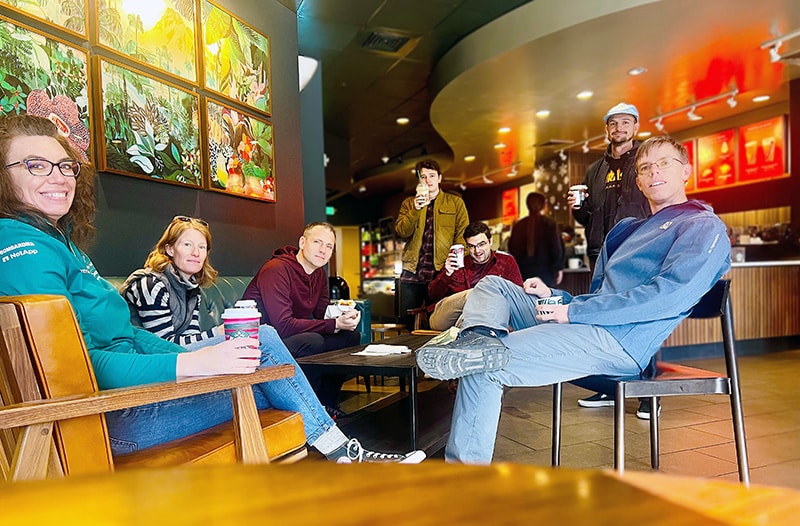
You know that old saying, “An office that eats together, stays together” Well, maybe it’s a bit of a stretch, but there’s something undeniably special about sharing a meal. Here at Targa, we’re all about making sure our fantastic team is not just working hard but also feeling their absolute best, and that’s where our weekly office lunch comes in. Around here, we take our food seriously because we believe that a well-fed team is a happy and productive one.

Boost Morale and Team Spirit:

Offering delicious meals at work goes beyond satisfying hunger, it cultivates a genuine sense of community and camaraderie, nurturing positive connections among our team members. It’s a straightforward gesture that not only lifts spirits but also weaves a tighter, more closely-knit workforce. Whether it’s celebrating a birthday, half-birthday, or any special occasion, we make it personal by letting the honored individual choose the restaurant, turning it into a small celebration.

Productivity

Ever notice how a rumbling stomach can easily lead to a distracted mind? We get it. That’s why we believe in more than just work-we believe in fueling our team with the goodness they need. When nourishing meals are just a step away, it transforms our workplace into an environment of focus and energy.

Products on the shelf

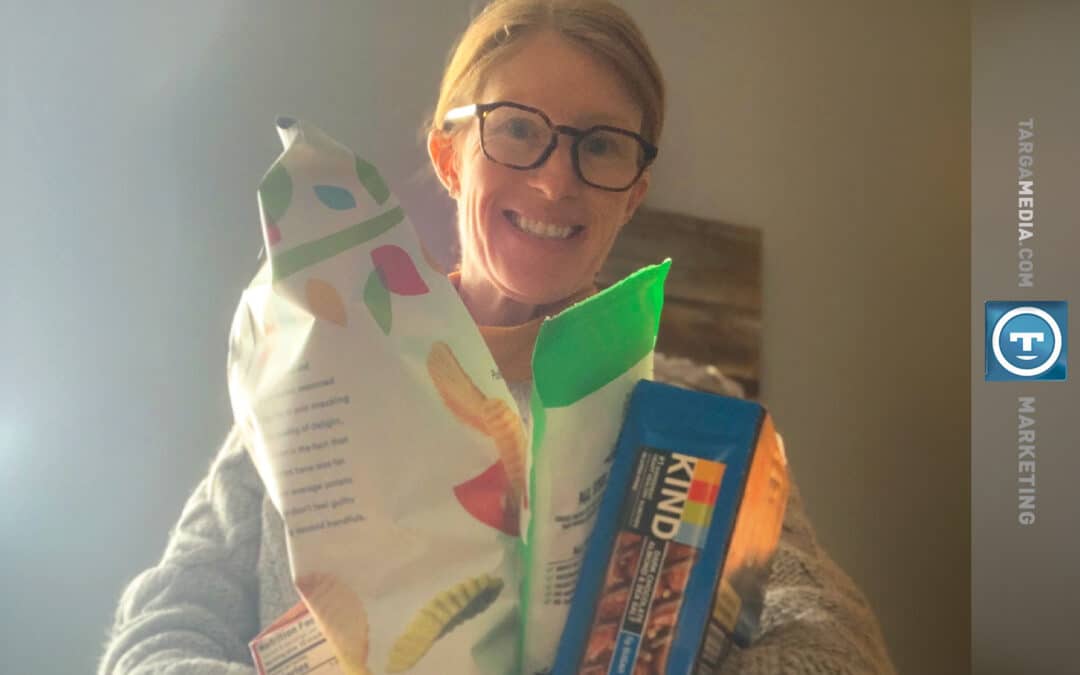
No need to search for food; we’ve streamlined it, making the most of our work hours and boosting productivity. We understand that variety is important, so we keep a range of snacks within arm’s reach-from wholesome trail mix to a bit (a lot) of chocolate, and the occasional donut. On extra special days, you might just find the spicy aroma of homemade cookies filling the air. It’s the little things that make our workdays not just productive, but downright enjoyable.

Products on the shelf

Well-Being:

Encouraging healthy eating habits isn’t just about what’s on the plate; it’s
about fostering a culture of vitality. By offering nourishing meals at work, we aim to cultivate habits that transcend the lunch table. A team that embraces nutritious choices is a team that radiates alertness, engagement, and resilience qualities that seamlessly contribute to a positive and uplifting work Environment. Our commitment to ensuring everyone is prepared and ready to tackle the day is reflected in our consideration of food sensitivities, allergies, and individualized nutrition plans.

At our table, there’s always something to suit everyone’s taste and dietary needs. Sharing great meals goes beyond our amazing team; we extend it to our clients as well. We are constantly on the lookout, planning the next client visit and outing. So, whether you find yourself in our neck of the woods or we’re in yours, please know you will always have a seat at our table.

Products on the shelf
Imposter Syndrome, and How We Creatives Can Rise Above It

Imposter Syndrome, and How We Creatives Can Rise Above It

Jason Steed

Owner & CEO

Imposter Syndrome, and How We Creatives Can Rise Above It

On Thursday of last week I bumped into 4 isolated instances where “imposter syndrome” got brought up. My morning commute gave me a talk show about imposter syndrome. The day progressed with the recurring topic in business meetings, then a wrap up with one of my boys who just started his freshman experience at college. A crazy coincidence, but it got me thinking about this label. Creatives and marketers are more susceptible to imposter syndrome because we’re being judged by subjective standards. Here I’ll share some of my own feelings of inadequacy, and how I’ve overcome many of them, along with 3 ways creatives and marketers can tackle imposter syndrome. PS. No, this issue doesn’t just go away on its own.

Creatives and our Scary Spotlights

Many successful creators and marketers can often feel like frauds, just waiting to be called out. As writers, artists, performers, and creative leaders, our creations are our identity; out there under the spotlight for all to scrutinize. Yikes, we’re shining a light on our very souls! Maybe you can relate? I certainly can, though I’ve come a long way in my own career and personal life. Although not an actual diagnosable disorder, thinking of one’s self as a “creative fraud” can feel pretty real. Imposter tendencies can rob us of joy and fulfillment in our work, undermine our potential, and can even stifle creativity.

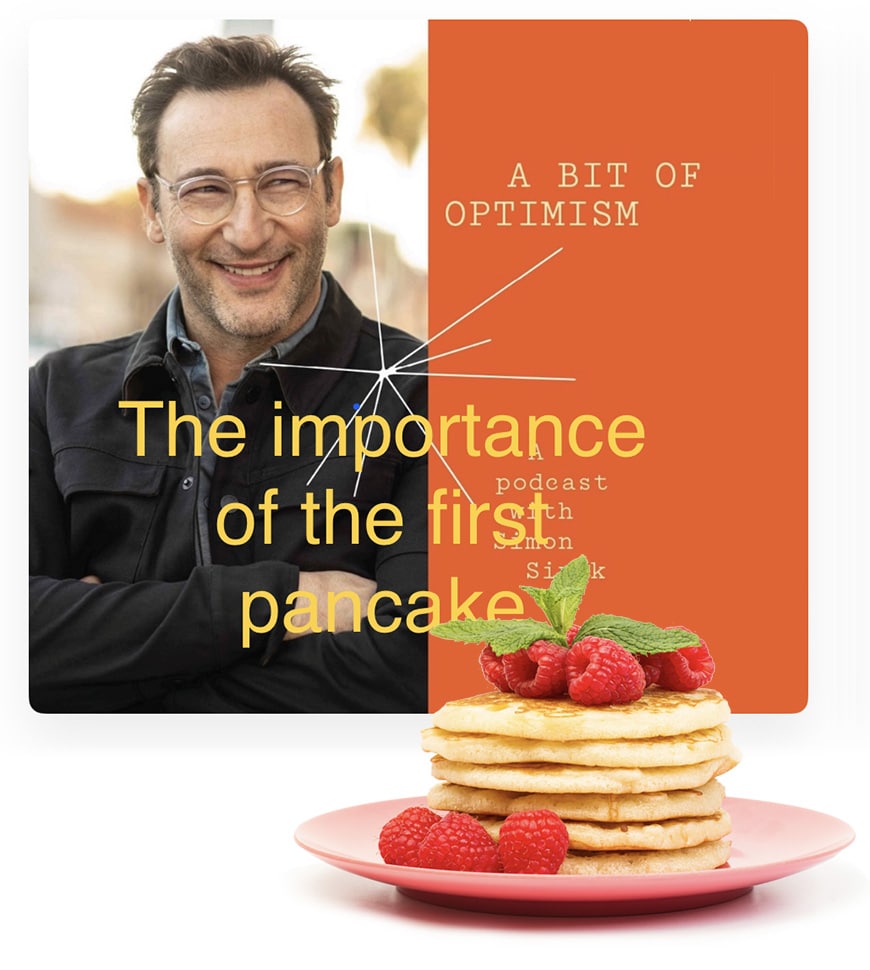
Even the best creatives miss the mark. Simon Sinek refers to his 1st Pancake example for creatives. The first pancake is so often a throw-away. It’s the 3rd pancake that we’re most proud of and that’s worthy of serving others. But guess what…there’s never a 3rd pancake without the first pancake.

Simon Sinek creatives and their first pancake
“As creatives and entrepreneurs, if we are to lead by example, let’s start by addressing and correcting symptoms within ourselves.”
Allow me to share a short list of imposter moments in my own life:
  • Being the teacher’s pet (but not the smartest kid in the classroom)
  • Performing at youth piano competitions (the end of each performance left me feeling both relieved and guilty)
  • Being envied or “called out” in Junior High art classes
  • Being a new dad
  • Being a veteran dad
  • Being an entrepreneur (I’ve slowly shifted my mindset from “Maybe I should get a real job, so I can see how marketing is done” to “Maybe I know what I’m doing”)
  • Leading a team of agency creatives
  • Writing this blog ;-]

My Personal Turning Point: The Mentors in My Life.

Though I’m in a much better place today, my insecurities have been deep and long-lasting through much of my career. I underwent a 20-year maturity with the help of my wife, friends, clients, and associations such as the Salt Lake Chamber of Commerce. I recall my acceptance as one of the Chamber’s 25 local business leaders enrolled in their annual Leadership Utah program. Boy, did I feel like an imposter when I introduced myself and company name that August morning in 2003. I was uncomfortable from head to toe, even wearing a newly purchased blazer and Wingtip shoes that I prayed I was safely hiding inside of. I feel like I can measure my path to confidence, thanks to great leaders within the Chamber who helped me peel away layers of desperate doubt.

Three Ways for Creatives to Tackle Imposter Syndrome

  1. Fail it till you nail it. This is my spin on banning the ugly word “fake” in fake it till you make it. As creatives we simply need to put in the time and effort, realizing there are no shortcuts. Anybody who gets it right the first time is a victim of beginner’s luck, and “luck” sounds pretty fake to me. See my example above about the first pancake. .
  2. Reframe “potential” as part of the journey, not the destination. We all “reach” for potential rather than land on it. As a perfectionist, I’ve often been driven to polish everything. As a result, I would often come across to my peers and co-workers as being unrelatable or incongruent. As human beings we crave empathetic experiences. Our flaws make us relatable and relevant to others. Be the whole package…flaws and all! .
  3. Make small daily corrections instead of taking on those Goliath moments. Realize that feelings of inadequacy apply not just to the big roles but also to smaller daily occurrences. Imposter syndrome is sneaky that way. “Feeling stupid is called “life,” says Dr. Valerie Young, co-founder of Impostor Syndrome Institute.

In Summary

Acknowledge that most creatives and entrepreneurs suffer from time to time with “imposter” labels. Our identity is so deeply tied to the things we produce and display. We make giant leaps forward when we acknowldge we’re all in the same boat…from writers to artists to actors to marketing managers…and the list goes on. Put everything on a pedestal…the good, bad and ugly. Shine the light on it in order to illuminate your own worth and identity. It takes guts. It takes practice. Recognize how your failures are your successes.

Coincidentally, the song Brass in Pocket by The Pretenders has been in my wife’s and my heads all week, “…Gonna use my, my, my, imagination. ‘Cause I’m gonna make you see there ‘s nobody else here, no one like me.” Wow, there are so many nuances in the band name, the lyrics, the timing…clearly, this month’s topic was written in the stars!

Brass-in-Pocket by The Pretenders
My Gratitude Practice for Wiring Creativity

My Gratitude Practice for Wiring Creativity

Jason Steed

Owner & CEO

My Gratitude Practice for Wiring Creativity

Thank Goodness for our Prefrontal Cortex

From one creative to another, I’ve found an unlikely yet effective gratitude-receiving practice that boosts my creativity. Note how I said “gratitude-receiving” rather than “giving gratitude.” No doubt that any form of gratitude is enriching and beneficial, but I want to speak directly to a type of gratitude practice proven to best light up the creative centers of our brains. It’s sort of a practitioner’s approach to a transcended topic, nevertheless, I’ll share an easy formula, inspired by a Huberman Labs podcast, that I’ve found to be quick and reliable tool for my own grounding, centering, and creative readiness.

First off, I’m not personally very consistent with any type of gratitude practice. But I really dig the science behind anything that can elevate my brain above it’s hardwired state of static safety. I know as well that we have to work against the atrophy that will stagnate us in our careers if we let it. So, for those who like the idea of putting up a good fight in the name of an evolving mind, these few tips may be worth a try.

Here’s a quick scientific framing: Gratitude is a mindset that activates our prefrontal cortex. Our brains’ prefrontal networks are the source of many of our enlightening attributes, one of which is creativity. The richest form of gratitude benefits occurs when you a) receive gratitude, and b) construct a story. The combination of those two elements by far outweighs both the biological and psychological boosts from more common practices like giving gratitude or even dwelling on a list of things you’re genuinely grateful for (source: Frontiers Psychology). The process of receiving gratitude simply has more effects on our prefrontal neural networks. There are many scientific studies that support this, and from where much of my idea structure comes.
.

“The richest form of gratitude benefits occurs when you a) receive gratitude, and b) construct a story.”

Try it out…Write your Own Snippet

Write your own short and sweet gratitude-receiving outline. Your formula boils down to the two components I mentioned above: Receiving gratitude in the form a story. Heather reminded me just today that it matters less whether your story involves you or if your story is completely about somebody else. As long as you can intimately relate to those strong emotions of struggle, rescue and gratitude, your brain can resonate equally to either scenario. So, just simply start by finding a gratitude-receiving story that matters to you.

My Own Gratitude Practice – Life of Pi

For my gratitude practice, I like to recall a few powerful scenes from the 2012 movie Life of Pi. Piscine (or “Pi” for short) is the story’s protagonist, an Indian youth stranded on a lifeboat following a horrific accident. In my own interpretation, Pi is also the antagonist, battling a wild tiger who was stranded alongside him. In the end, Pi comes to a deep understanding of an unexpected codependency between the tiger and himself. Their months-long and life-threatening journey gradually intensifies Pi’s self-fulfillment from receiving gratitude, culminating in the tiger’s poignant pause before he steps from Pi’s care back into the wild. Total sidenote: For all of you typography enthusiasts, check out the ending credits. Heather and I researched and found the matching font for our design library. ;-]

Life of Pi Recognizing Gratitude Fox2000

Gratitude can Help Fill your Own Creative Well

As creatives and business leaders, we get to do great and meaningful work. A lot is expected of us, and we don’t have a limitless supply of on-demand energy, focus, and creativity. I believe mindfulness is a powerful way to refuel, allowing us to craft campaigns with greater intention. I lean on other tools in my own life to fill my creative well such as my time with Heather and our kids, trail running, music, and photography. Whatever your tools may be, you might find success in a similar model as what I’ve shared above, with a time commitment of only 2 or 3 minutes a day.

You might find other great resources and advocates for gratitude in their professional spaces: A short list includes Jenny Haase, Dr. Julie Hanks, B.J. Warnick, and Jody Moore. Enjoy the benefits of receiving gratitude, and be grateful for the journey!