Ink, Illustrator and AI: Our Team’s Take on Inktober

Heidi Blackburn
Assistant Project Manager
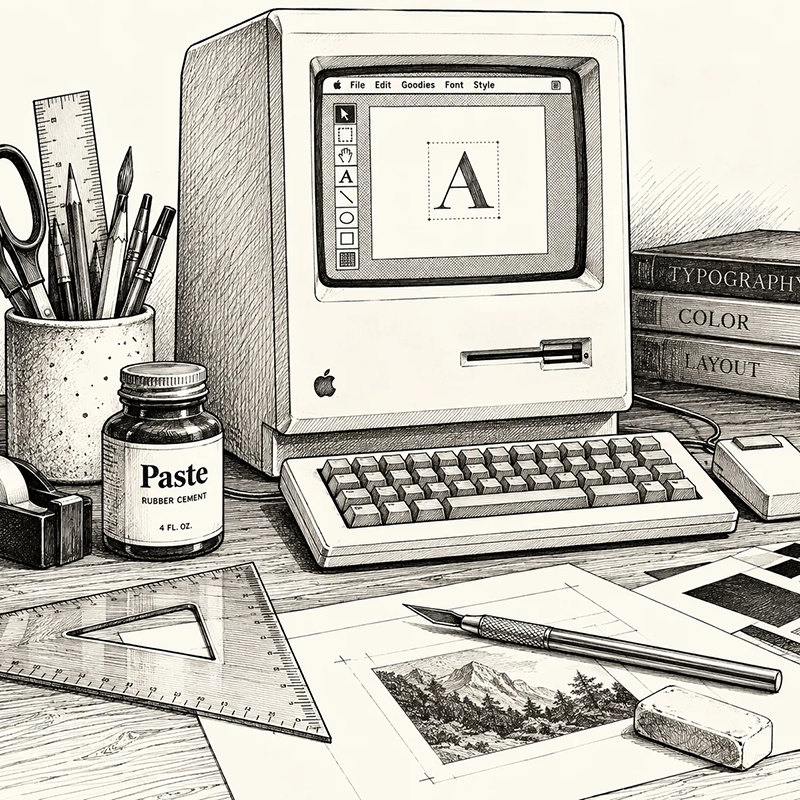
We spend a lot of time staring at screens here at Targa: designing, coding, reviewing, revising, and moving things three pixels to the left. You know, the usual.
We love our digital tools (especially the Undo button). Still, every so often it’s good to shake things up, step away from client work, and remember what it’s like to make something just because you feel like it. So this October, a few of us took on Inktober.
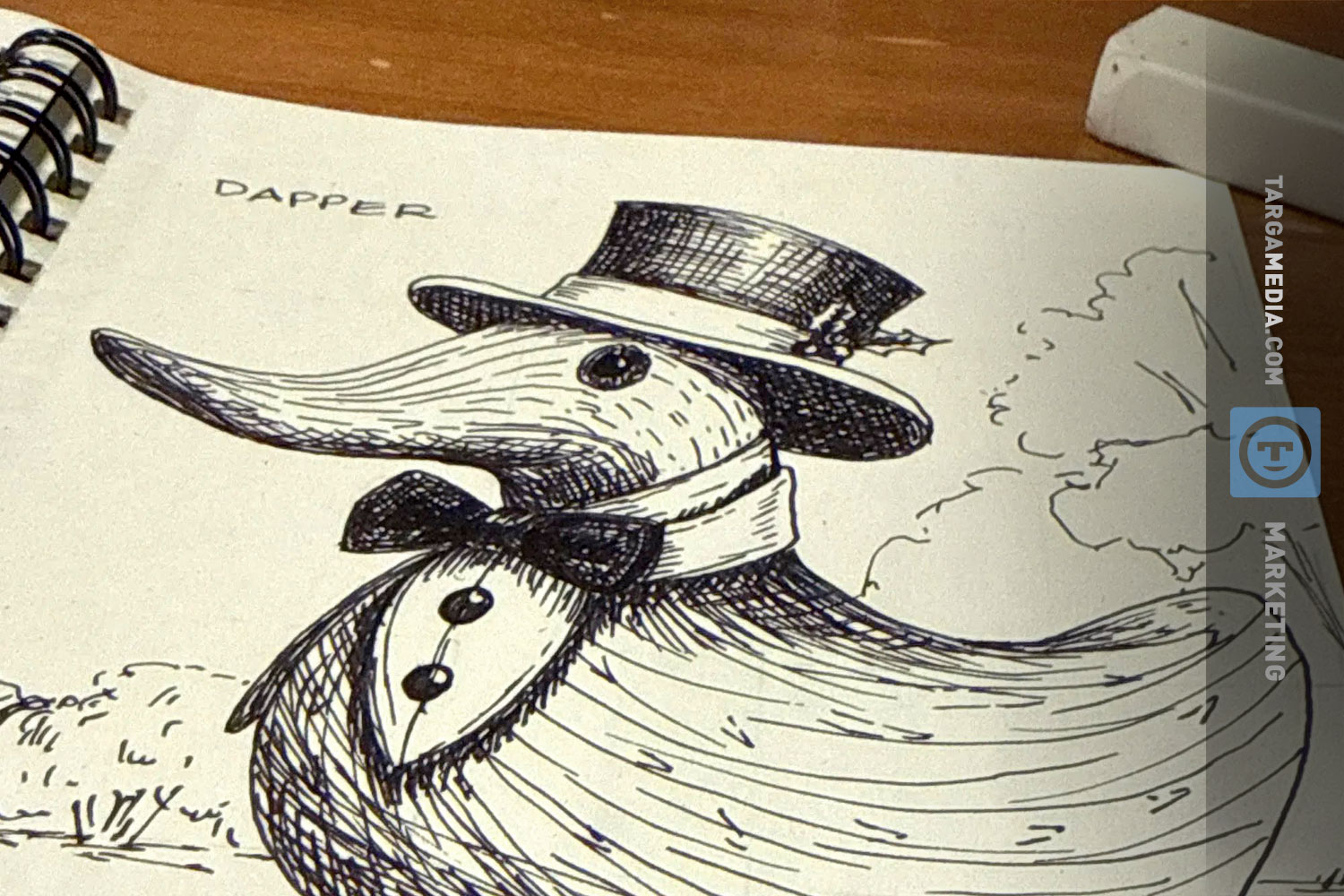
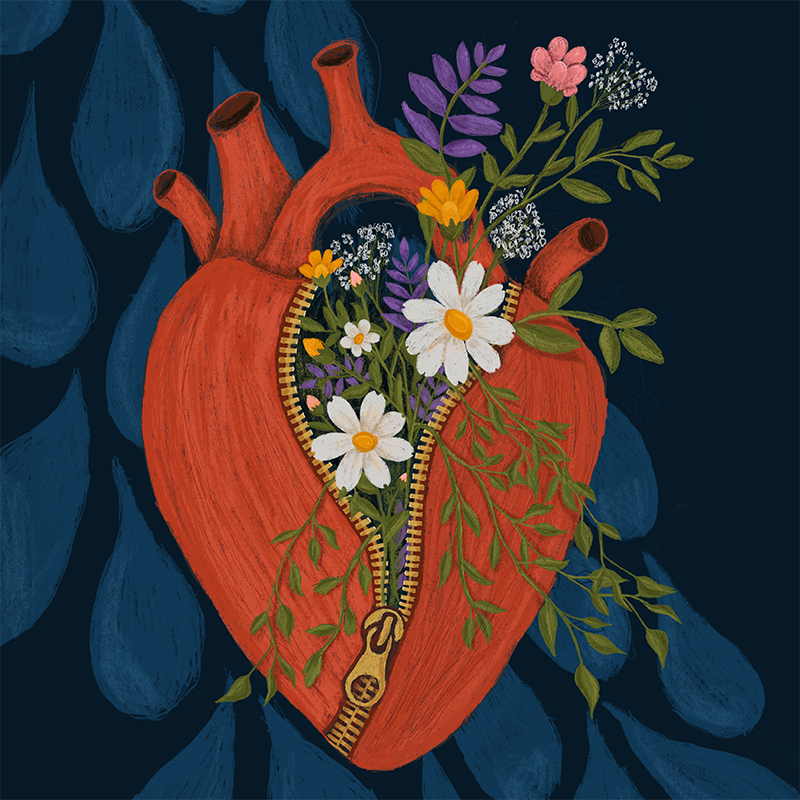
Inktober is traditionally a daily drawing challenge done in ink on paper, but we loosened the rules a little. Some of us picked up pens and sketchbooks, others opened Illustrator or Photoshop, and a few experimented with generative AI. We all used different tools and styles and took the prompts in different directions, and the only real goal was to make something.
Giving ourselves permission to play turned out to be a pretty good creative exercise.
1. Making Stuff Just for Fun is Good for You
When creativity is your day job, it’s easy to forget it’s also supposed to be fun.
Most of what we make has a purpose. There’s a brief to follow, a brand to protect, a deadline to meet, and a business goal behind every deliverable. That’s how it should be, but it doesn’t leave much room for making something just to see what happens.
Inktober gave us that room. There was no client feedback, no third round of revisions, and nobody asking whether the headline should be bigger. Each day came down to a prompt, an idea, and whatever tools we felt like using.
Without pressure to get it “right,” we were a lot more willing to try something weird, make a mistake, or follow an idea somewhere unexpected. That kind of experimenting keeps us curious and gives our creative brains a different workout. Sometimes it also turns up ideas we’d never find while staring at another project brief.
2. Putting Down the Mouse and Picking up a Pen
For those of us who do most of our creative work digitally, going back to pen and paper was a bit of a reality check. As it turns out, you can’t Command+Z a Sharpie.
With ink, you make a decision and live with it. You can’t drag a line into place, nudge an anchor point, or hide a mistake on another layer.
Our “Relic” illustration was a good reminder, since every line had to be intentional. The towering, expressive linework in “Gangly” and the detailed hatching on our target creature took patience and a steady hand. Even something as delicate as “Miniature” meant letting go of perfect edges and enjoying the little imperfections that make hand-drawn work interesting.
Digital tools make it easy to refine and perfect. Working by hand slows you down, makes you pay attention, and now and then forces you to turn a mistake into something useful… which is a handy skill in any medium.
3. New Tools, New Ways to Experiment
Not everyone reached for a pen. Some of us went the other direction and used Inktober as an excuse to dig into generative AI.
AI is changing how creative work gets done, and we want to understand where it helps, where it falls short, and how to use it thoughtfully. We quickly found that a good result takes more than typing a few words and hitting Generate.
There’s an art to describing what you want: composition, lighting, color, style, mood, and all the small details that make or break an image. Even with a carefully written prompt, the results don’t always cooperate. Our colorful, atmospheric “Sweet Dreams” piece came out of that kind of back-and-forth.
It’s a different kind of creative thinking. You translate what’s in your head into instructions a machine can follow, then keep refining until the result gets closer to what you pictured. It’s nothing like drawing by hand, and we enjoyed having both going at once. Mostly, we were curious to see what creative people do when they have more ways to explore an idea.
4. Nobody Had to Be Good at Everything
Not everyone at Targa is a designer. Our project managers, developers and others don’t usually pick up a pencil at work, and for some of them, Inktober was a big step outside their comfort zone.
That was a lot of the fun. When you’re used to being good at your job, trying something you haven’t practiced in years (or ever) can feel intimidating. That’s especially true when you’re sharing the results with coworkers who draw for a living.
The point was never perfect artwork. It was to give it a shot, make a few mistakes, and see what happened. Some people surprised themselves, and others found that what they pictured didn’t quite match what landed on the page, which was fine too.
Letting things be imperfect took the pressure off. It made the month more approachable and collaborative, and probably a lot more fun than if we’d all been worried about getting it right. It’s the same reason we’re happy to ask “stupid” questions at work: good ideas often come from whoever is willing to try something without knowing exactly how it’ll turn out.
A Little Creative Detour Goes a Long Way
Inktober didn’t transform the way we work, and we didn’t expect it to. It did remind us that creativity gets better when you give it room to wander. That might mean picking up a pen instead of a mouse, trying a new technology, or making something that has nothing to do with a client project.
We’re big believers in having the right tools for the job, and even bigger believers in the curious, talented humans using them. If a little creative play keeps those humans inspired, we’re all for it.
Now, back to moving things three pixels to the left.
Zip
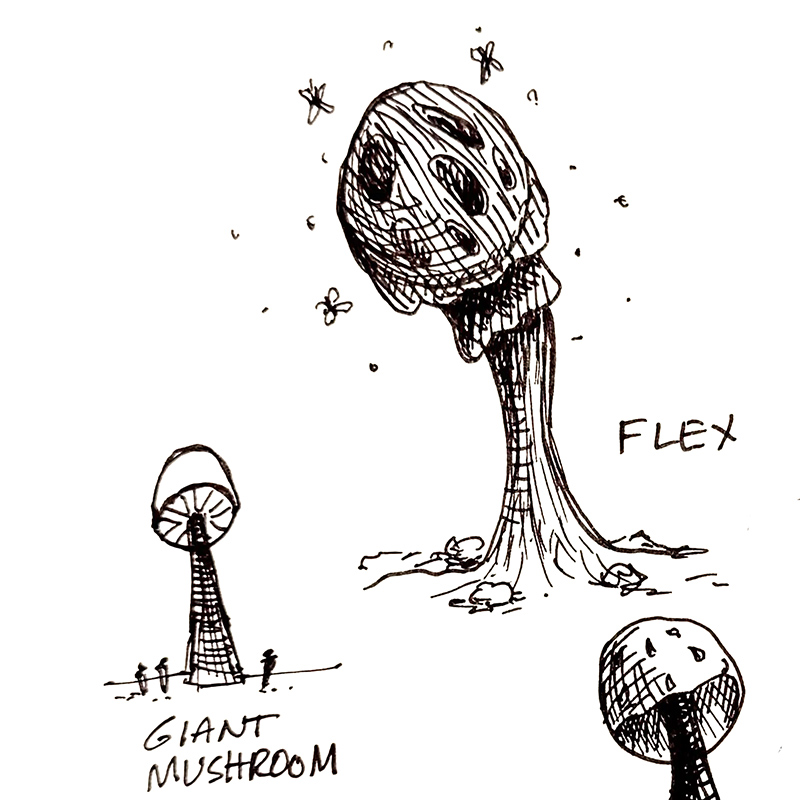
Flex
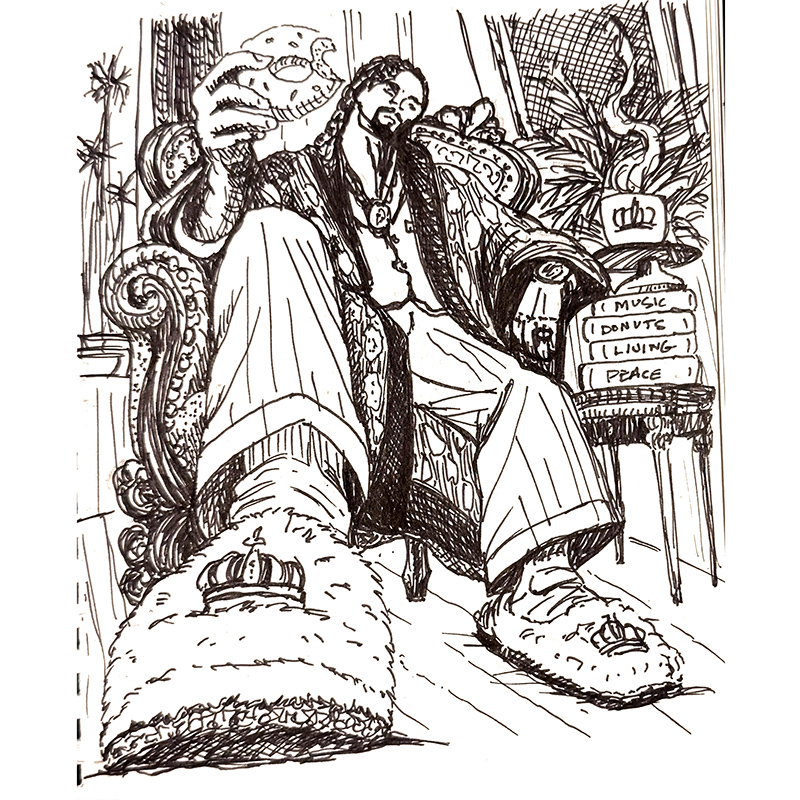
Snack
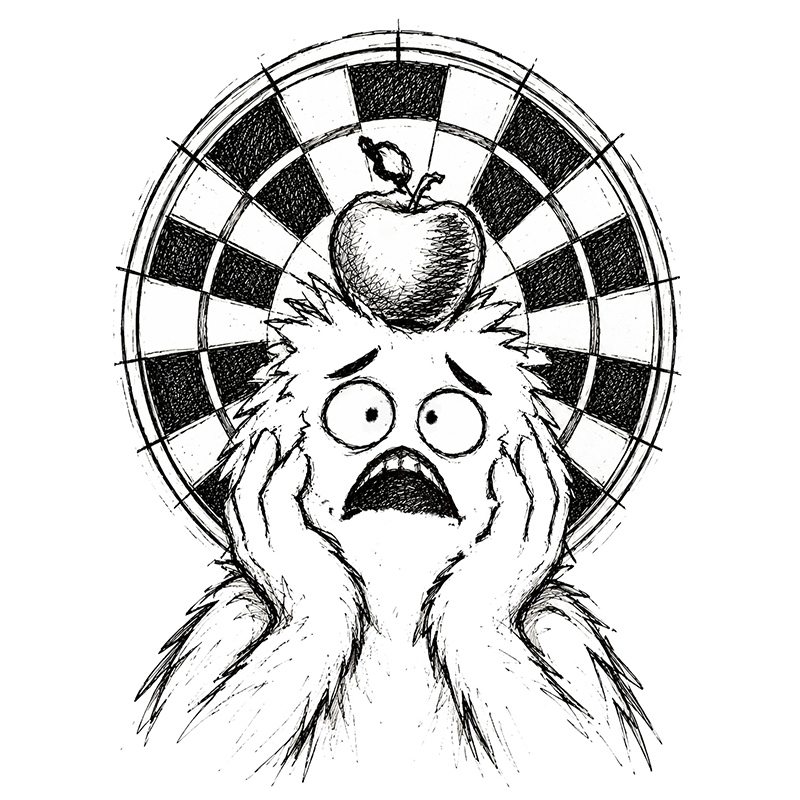
Apple-Panic
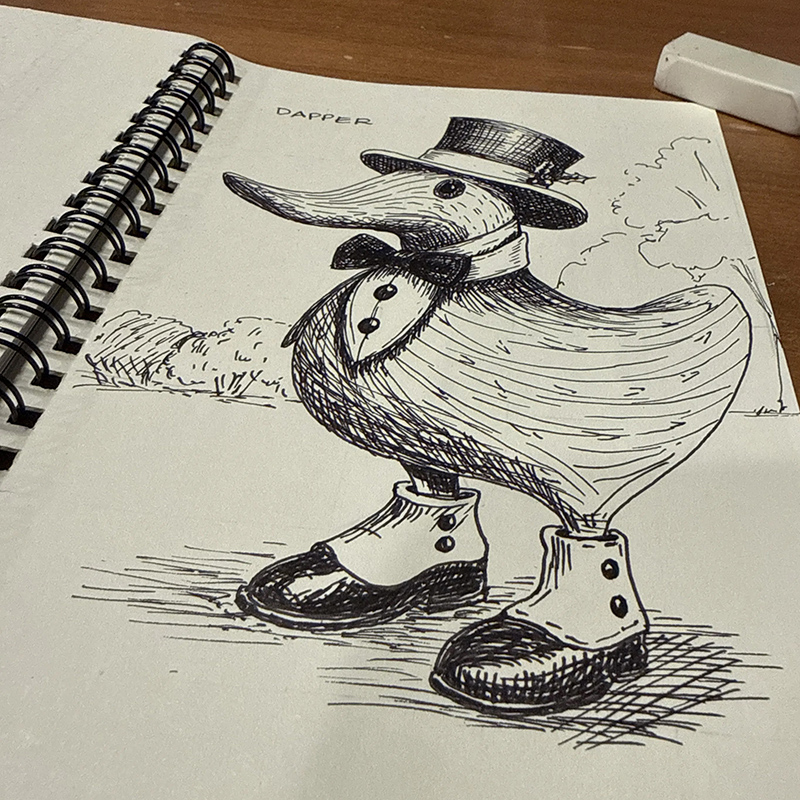
DapperDuck
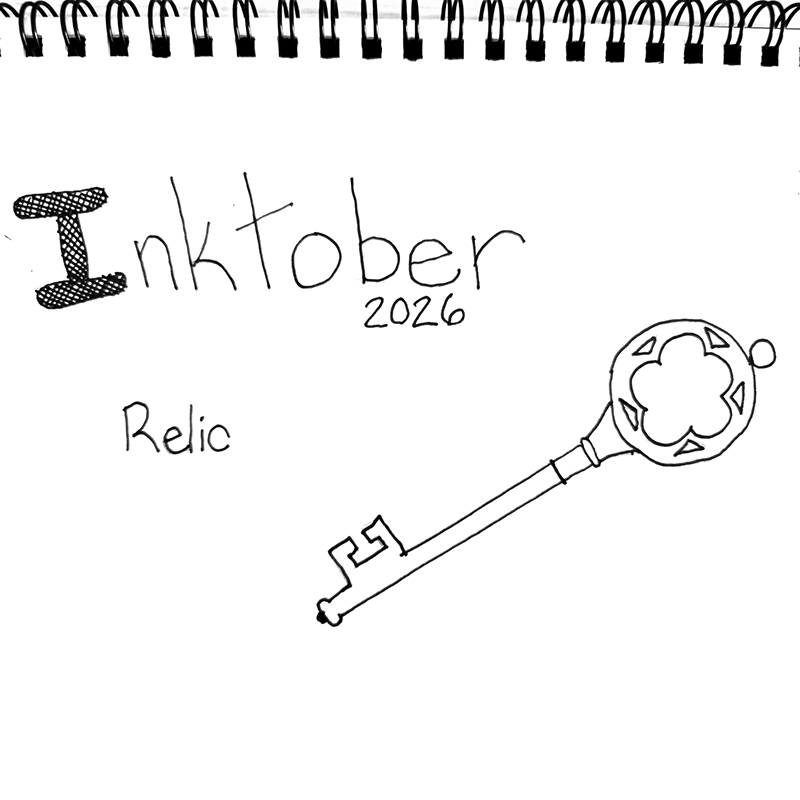
RElic
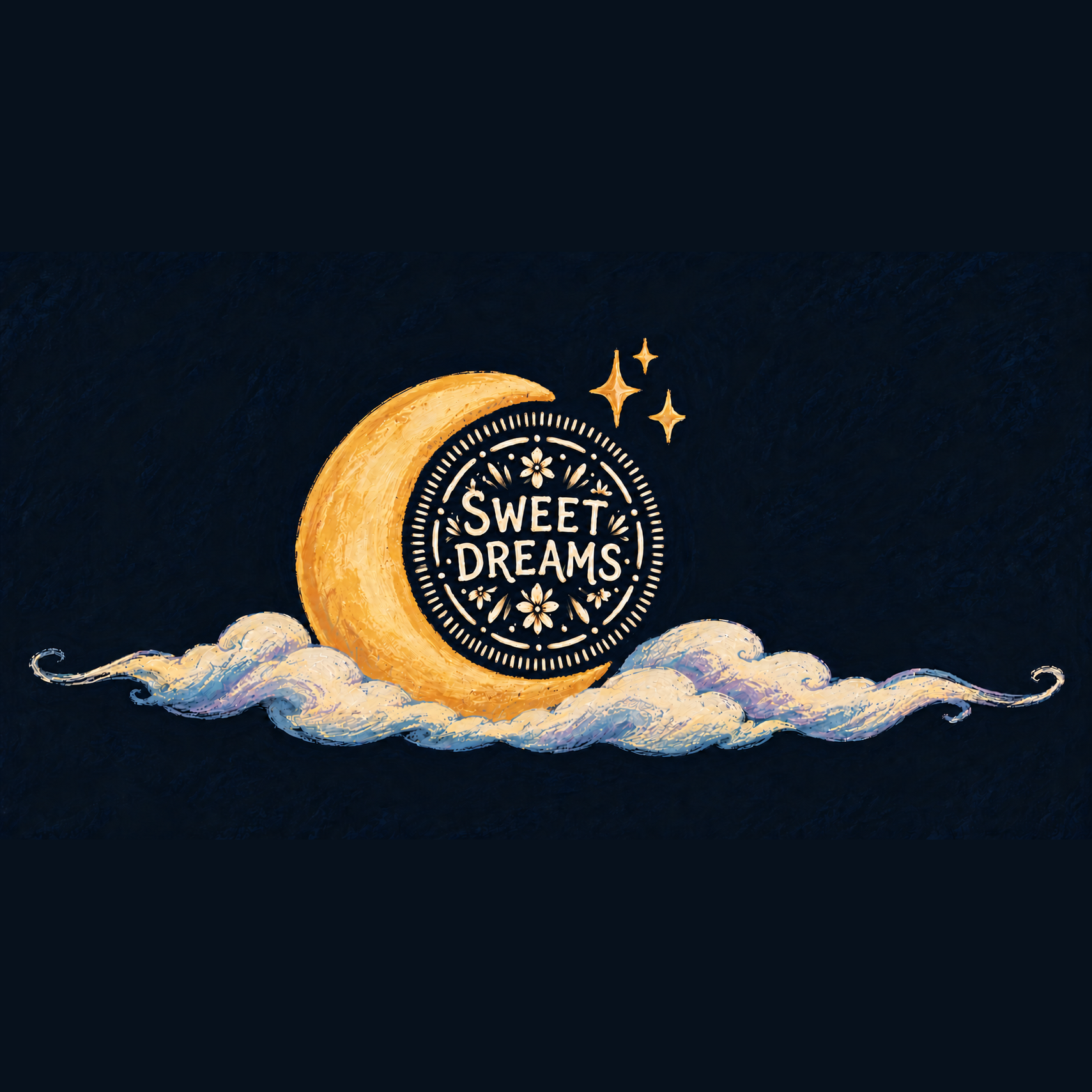
Cookie_Full-color
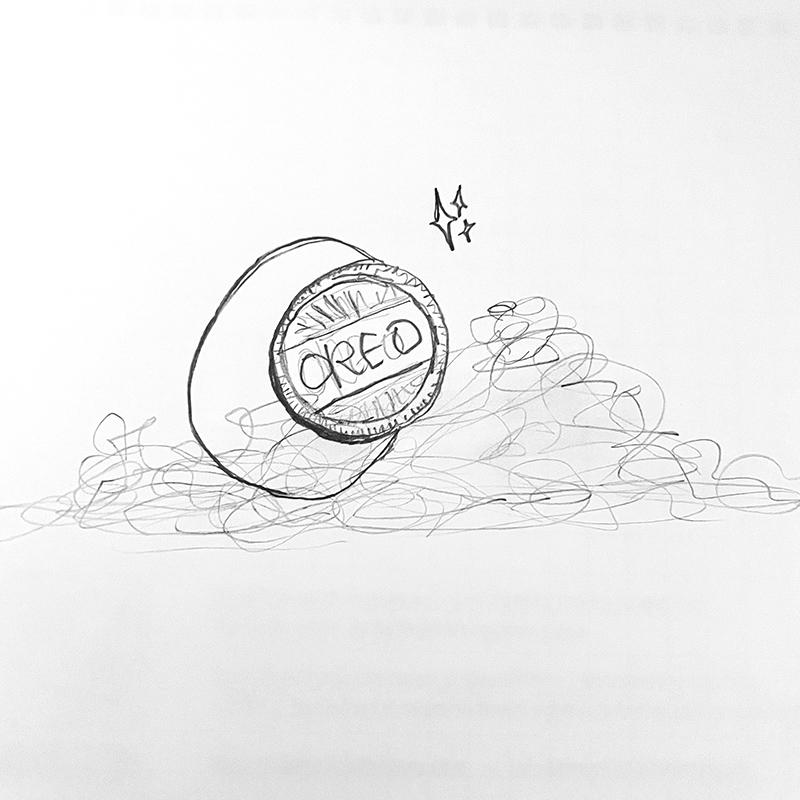
OreoSketch
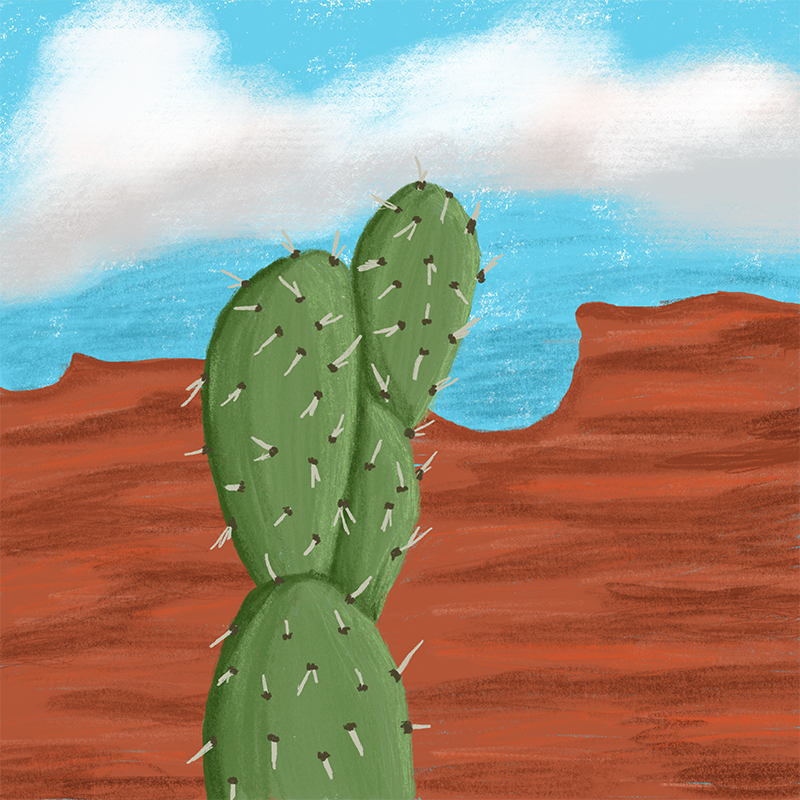
Cactus